Winter solstice, Capricorn
Thor riding, constellations aligning
From ancient festivals to modern times
Tis the season for Julbocken
Capricious connections maybe; family celebrations certainly
Back in the farmyard with nannies expecting
Snug on straw bedding, patiently waiting
Billies nearby, with a musky scent
Capra Hircus, omnipresent
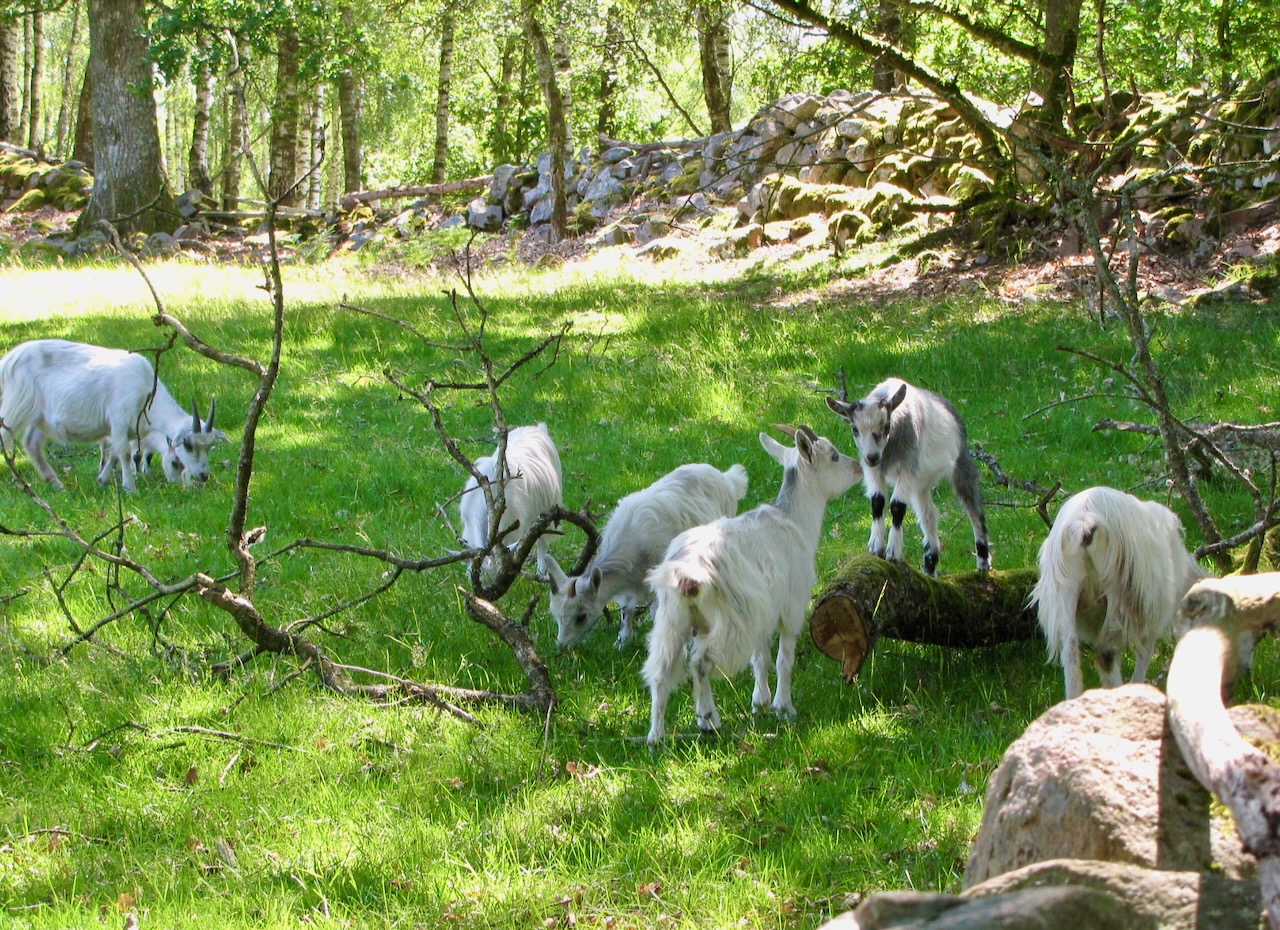
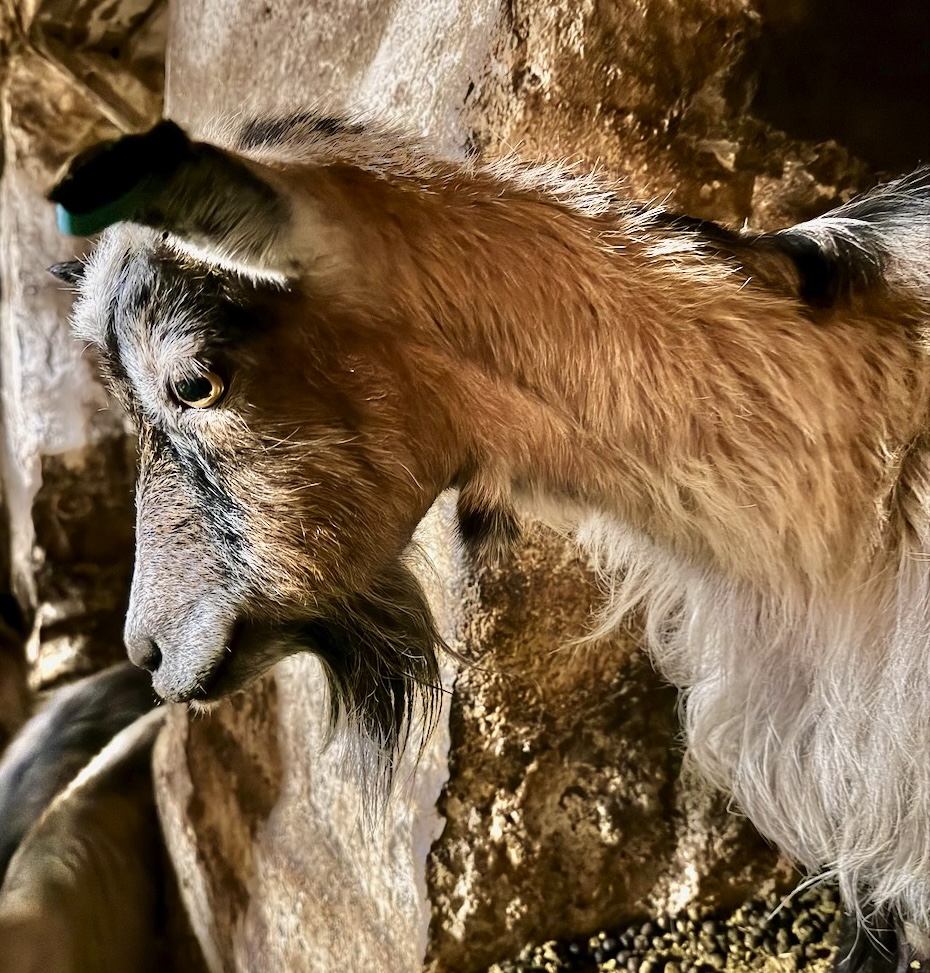
Inquisitive, smart, energetic, joyful, handsome, athletic and the subject of much folklore. Cheeky, lovable and versatile, goats are becoming increasingly popular for smallholdings, land clearance, self-sufficiency and food production, and deserving of a festive newsletter to themselves!
Long ago in Swedish Norse mythology, Thor rode the skies on a chariot drawn by two billy goats. Many traditions emerged relating to the return of daylight after a long winter, and the fertility of the harvest.
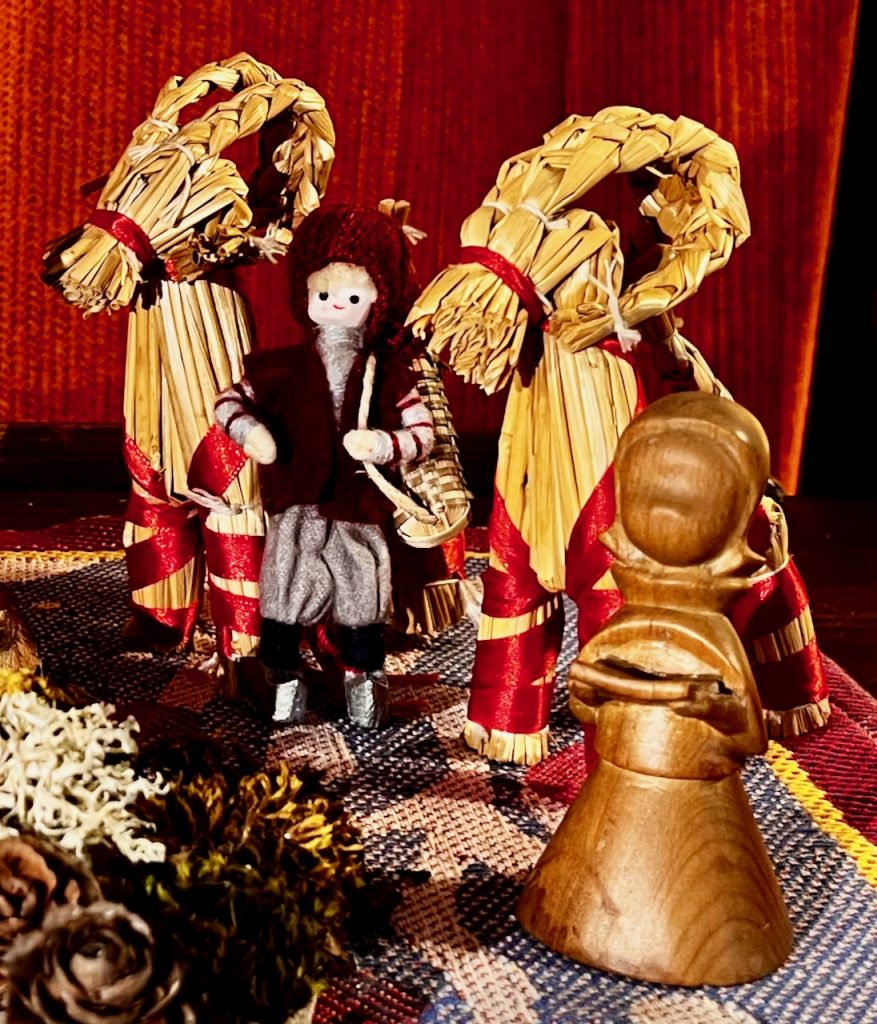
 Over time, the symbolic straw goat morphed into Julbocken, a bearer of festive gifts for children as darkness fell on Christmas Eve.
This tradition tailed off in the 1960’s: when the billy goat was deemed too scary for Swedish bairns, to be replaced by Tomte, the strong-willed gnome who traditionally lived on the farm watching over the animals, and woe betide any farmer who mistreated them.
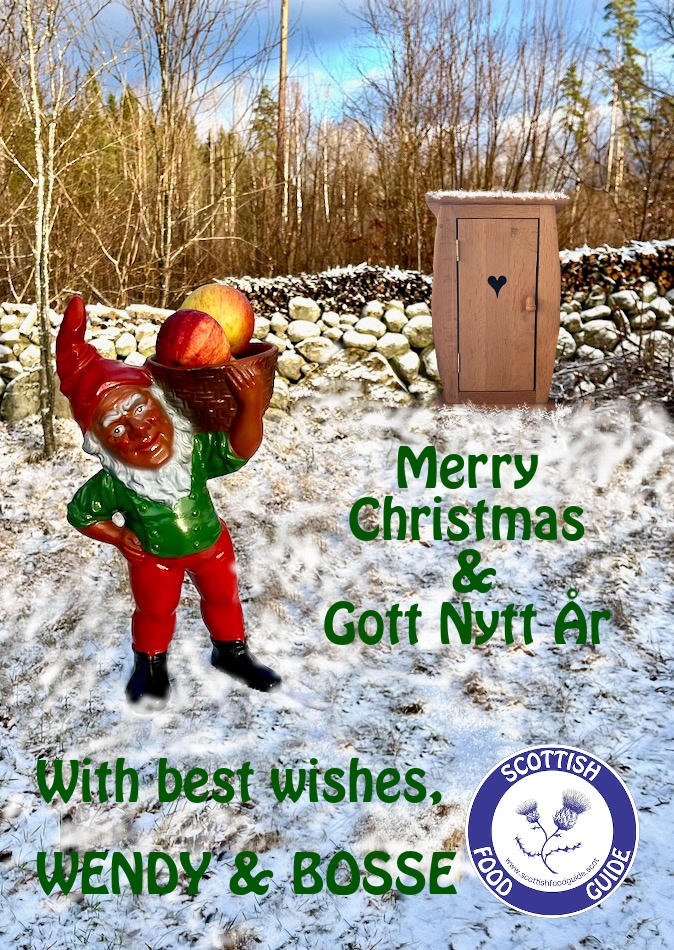
The Tomte has become a friendly gift-bearing elf such as the one on our Christmas card, a gift from Bosse’s granny seventy years ago.
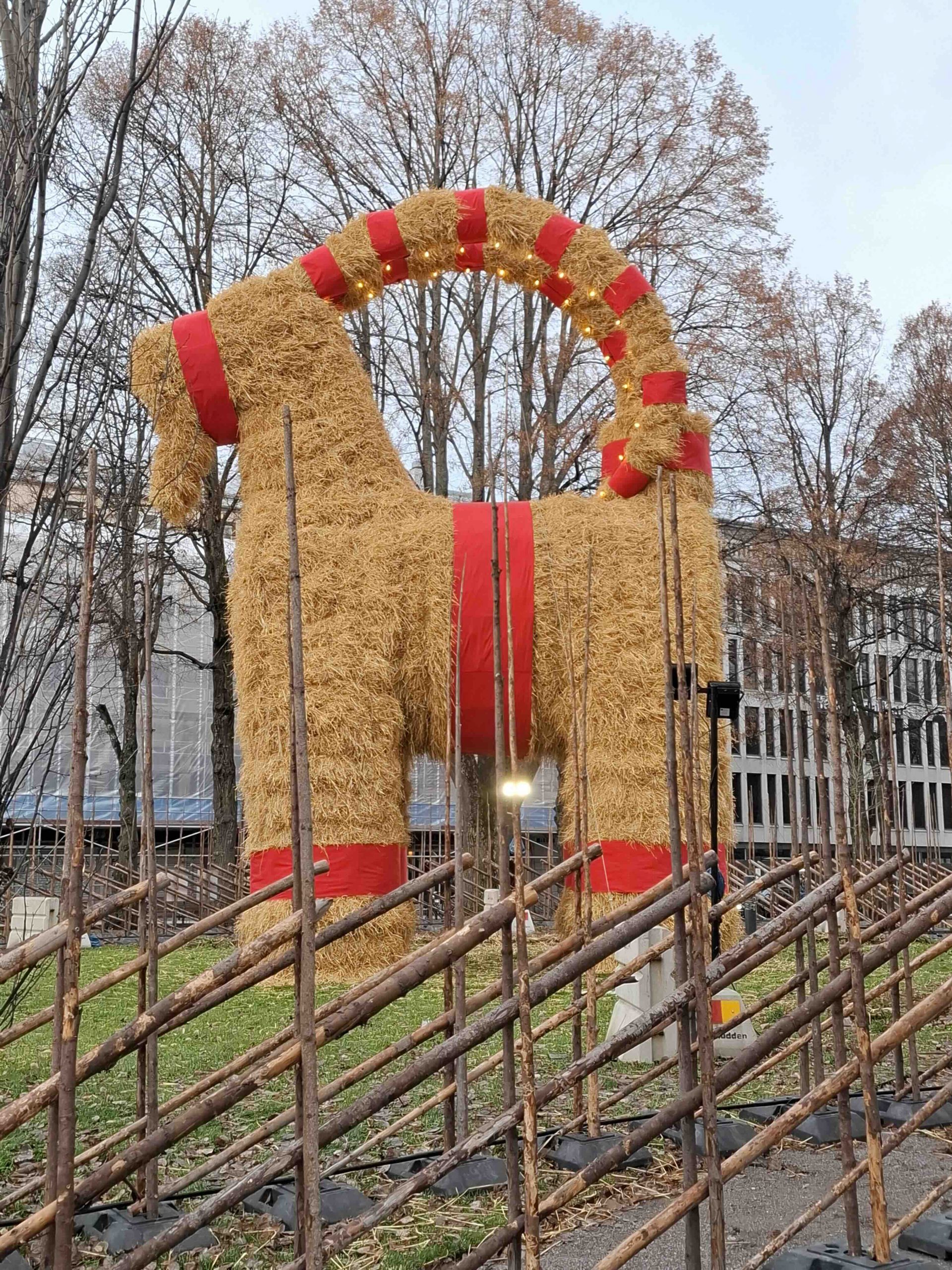
For the last forty years, the folk of Gävle have built a giant Julbocken, Gävlebocken, over twelve metres high – quite the talk o’ the steamie but not always for the right reasons as it frequently falls victim to arsonists and hooligans. The Gävle fire department guards round the clock, ensuring it survives. Miscreants may think it’s high jinks but the reality is three months in the clink.
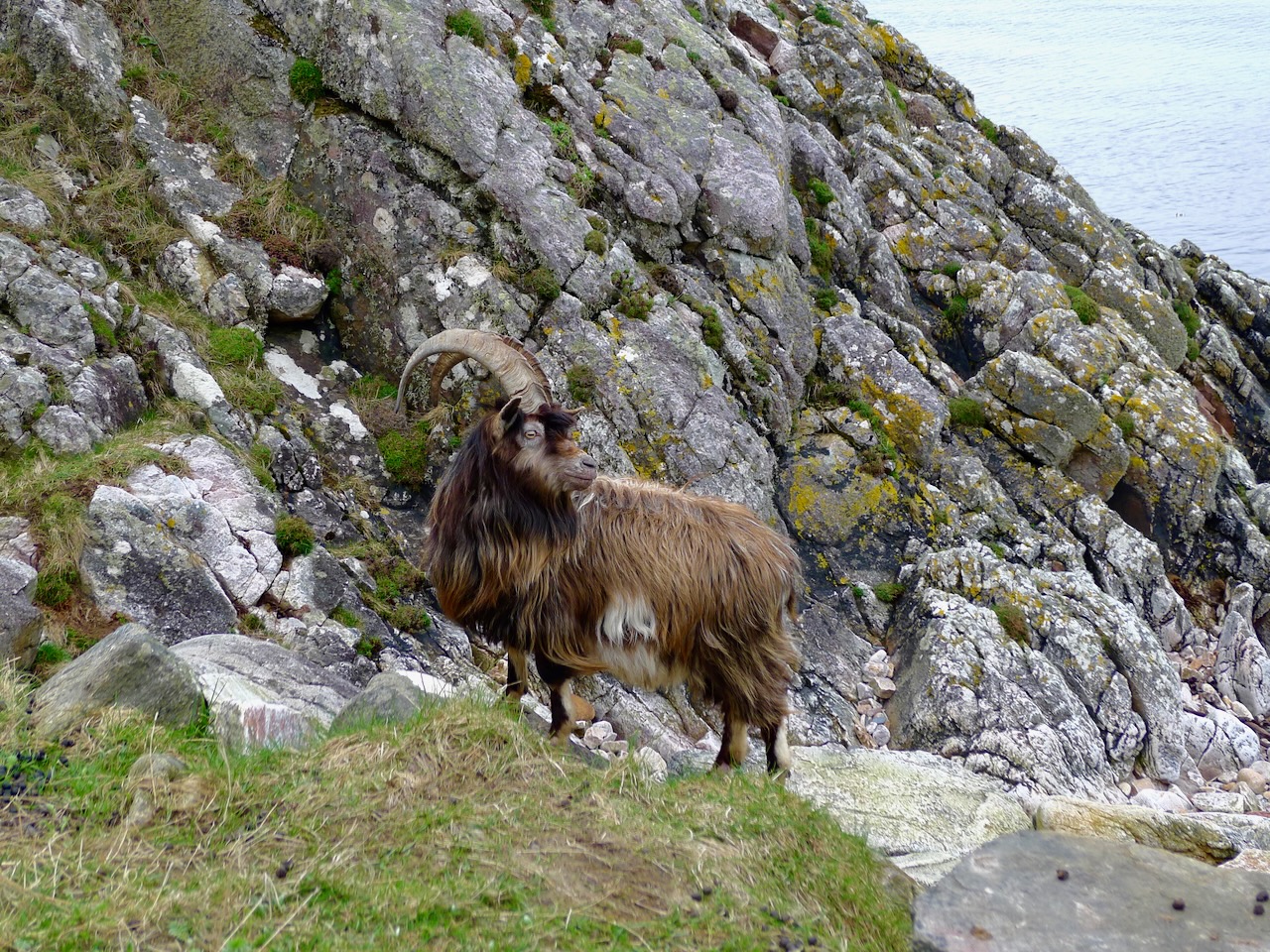
Goats have been following humans one way or another for more than ten thousand years and saved us from starvation so they should definitely be held in high esteem. In Scotland there are feral Native Scottish goats scattered around rural and inaccessible places. It would be fabulous to see them valued and re-established on smallholdings once again.
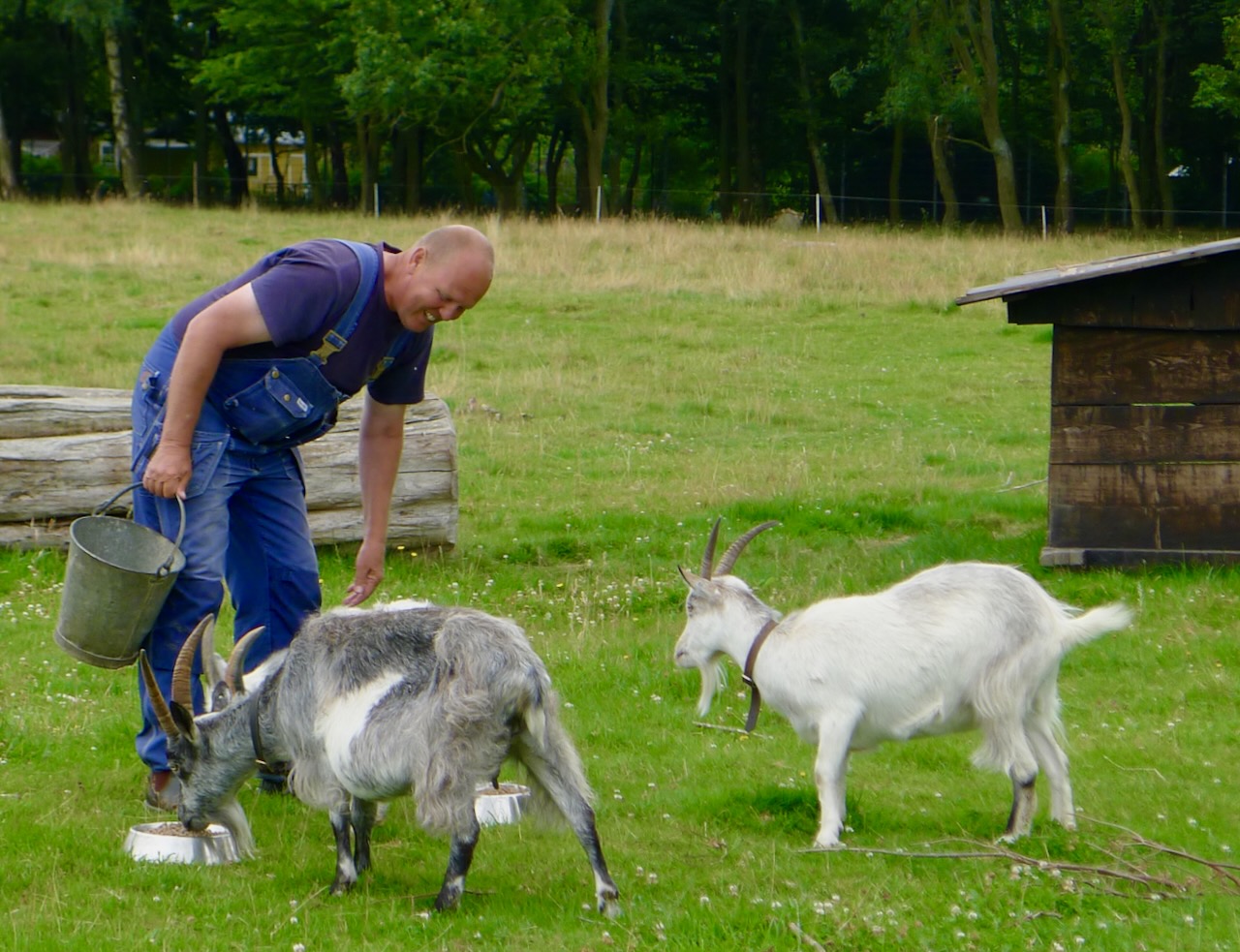
Goats were very popular in Småland where we have our torp (smallholding) due to the meagre soil, forests and harsh winters – indeed in the 19th Century, Småland was also known as Getapulia, a sobriquet given due to its similarities to Puglia in Italy, another rocky landscape with a historically dense presence of goats.
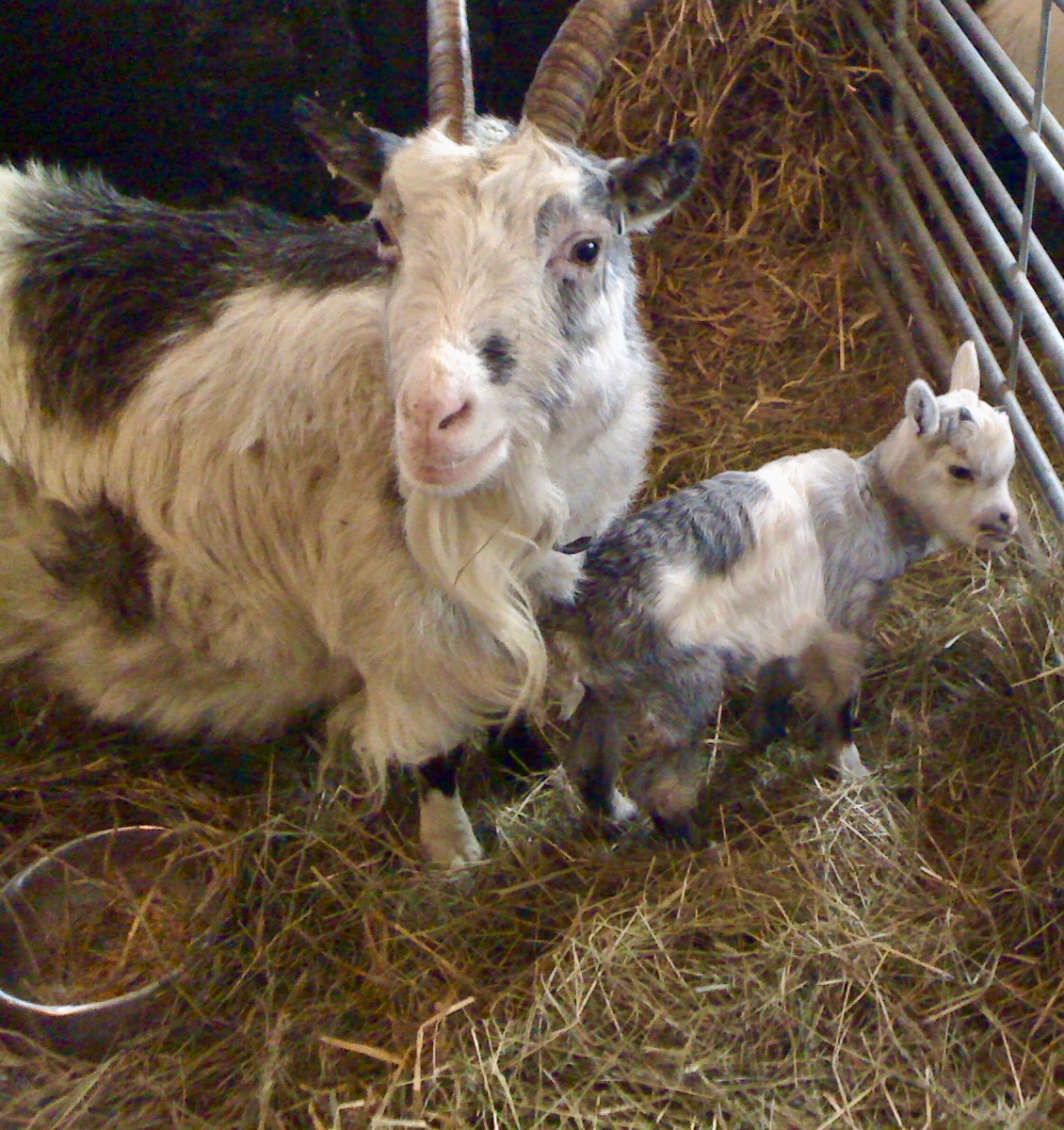
When Bosse was farming he also reared goats, Göingeget, a local heritage breed and each one a character: the three musketeers – the billies – hanging out under a tree like three blokes on a summer’s day; the elderly matriarch Stina, on whom the vet had given up all hope, who self-medicated back to life on pasture herbs and went on to have two more years of kids before peacefully sleeping away at thirteen years.
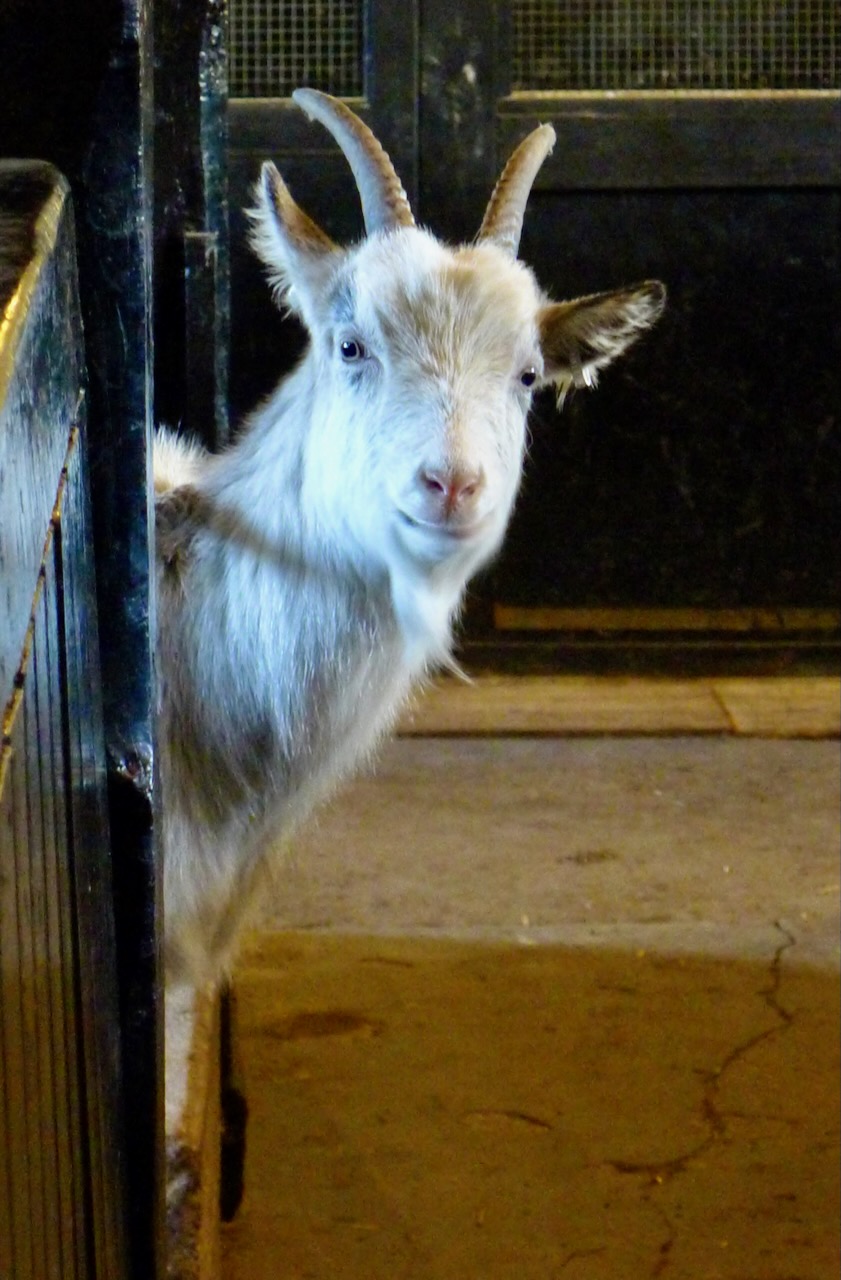
Embla was the life and soul: dancing along the tops of everyone’s rails; greeting hens, cows, sheep and working horses every morning. She was friendly and approachable – apart from dogs. She had no truck with canines of any description!
Goats are increasingly recognised as an environmental answer. Instead of spraying unkempt land with glyphosate, goats achieve a superior result and give by-products of meat, milk, cheese and yoghurt, all in great demand. Goat milk is nutritious and slightly sweet, a popular alternative for those allergic to cow milk and easy to rear on limited land. They are the simplest of the ruminants to feed, enjoying almost everything: from kitchen garden leftovers to gorse, branches and weeds and, when regularly handled, are safe and amenable with younger members of the family.
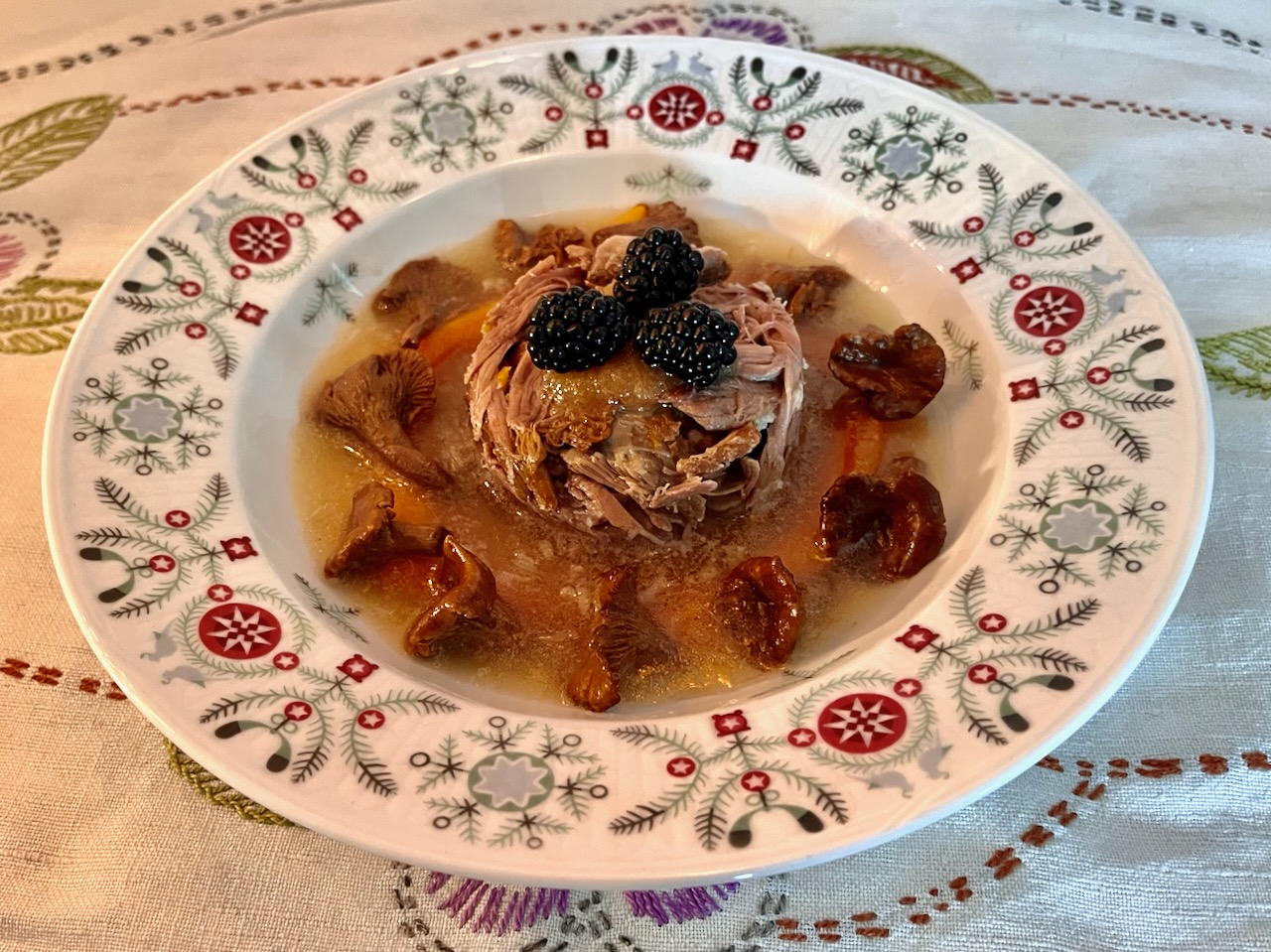
For those of you feeling uneasy at the thought of consumption, Bosse has dedicated much of his life to the rescue, preservation and practicalities of rearing rare breeds, and he will assure you that without a market, a breed’s existence is in peril. The best you can do to ensure healthy breeding is to create a sustainable food economy that embraces it. The same applies to fish, fowl, grains and vegetables.
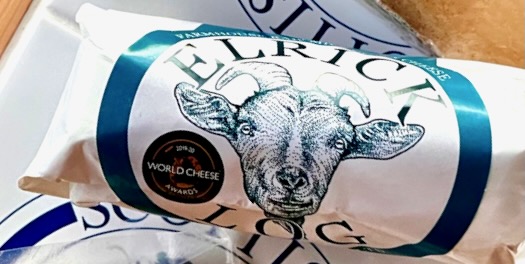
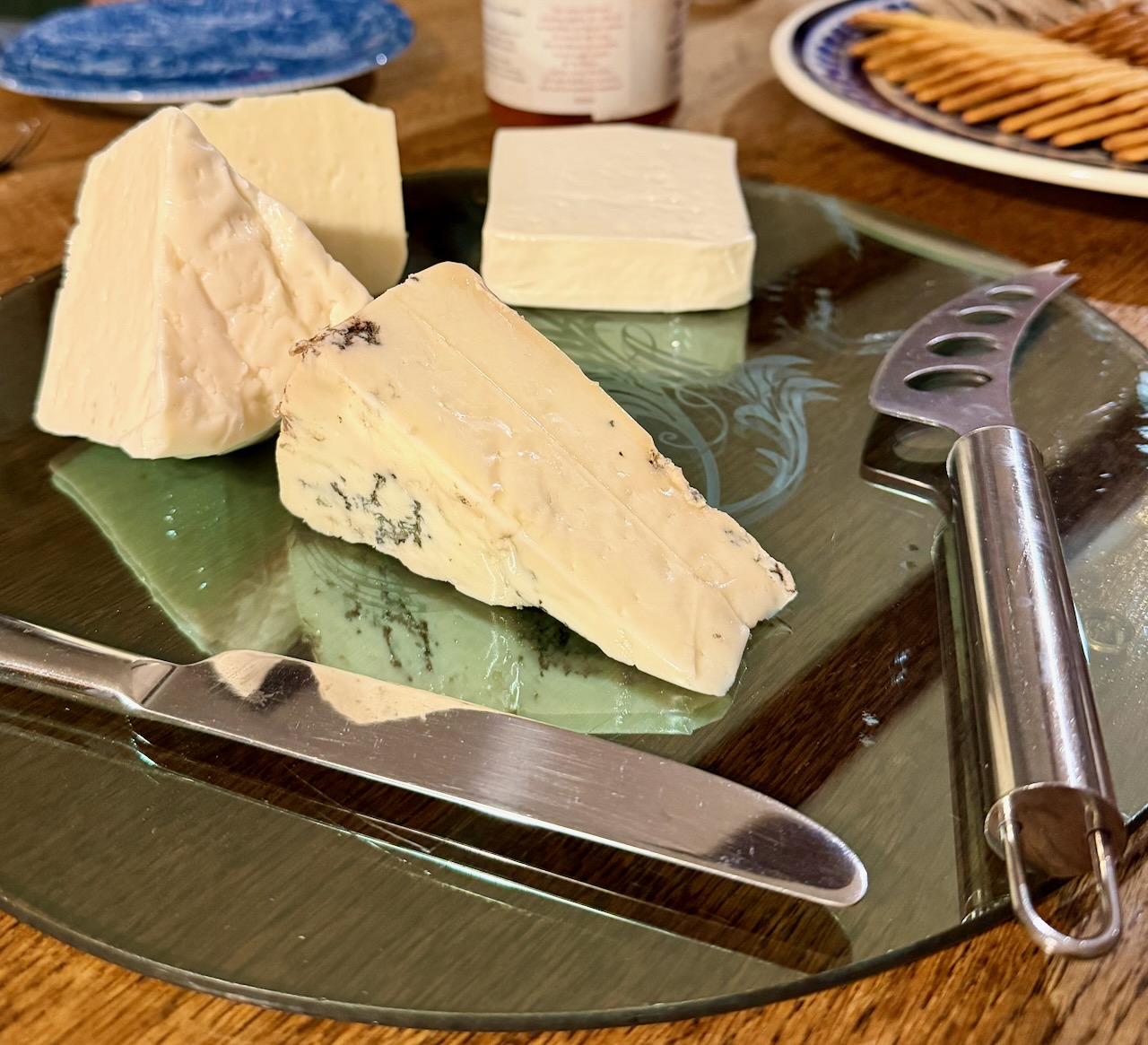
The lovely folk we meet who rear goats positively adore them. Selina and her family at Errington and Ann of Dunlop Dairy create beautiful goat cheeses here in Scotland.

Recently we met up with Claire and Nils of Framtida Bruk Gårdmejeri to taste their fabulous cheeses from Swedish landrace goats. They also supply goat meat and skins locally in Sweden. In Scotland we have Elchies offering excellent meat, yarns and goatskins from their highland farm.
Goat meat has a flavour very close to that of pedigree hogget or mutton. It is healthy, low in fat and delicious, and whilst some cuts can be roasted or grilled, I prefer slow cooking for a guaranteed tender and moist result.
So whether your goat is a Julbocken or Paddy McGinty, I for one will have a few straw goats decorating our festive table in Scotland. Merry Christmas to you all.