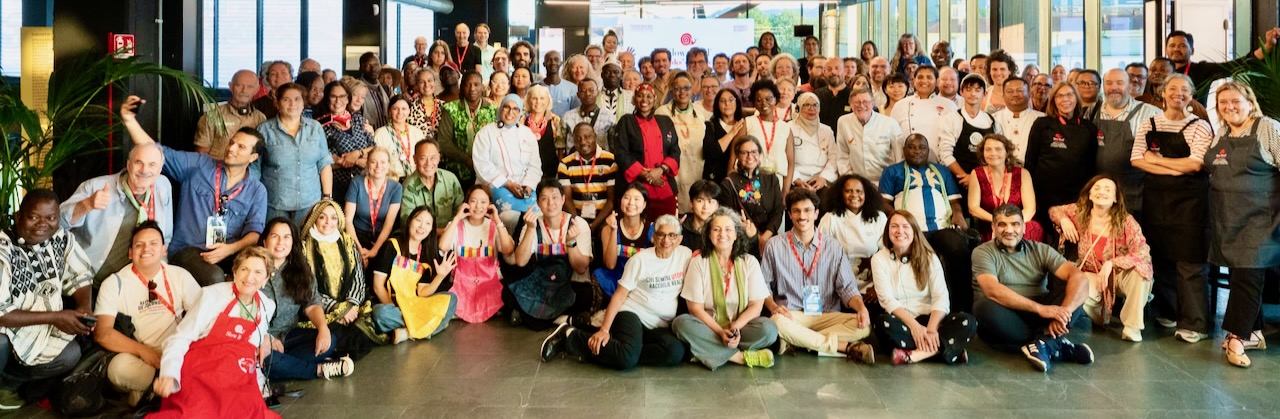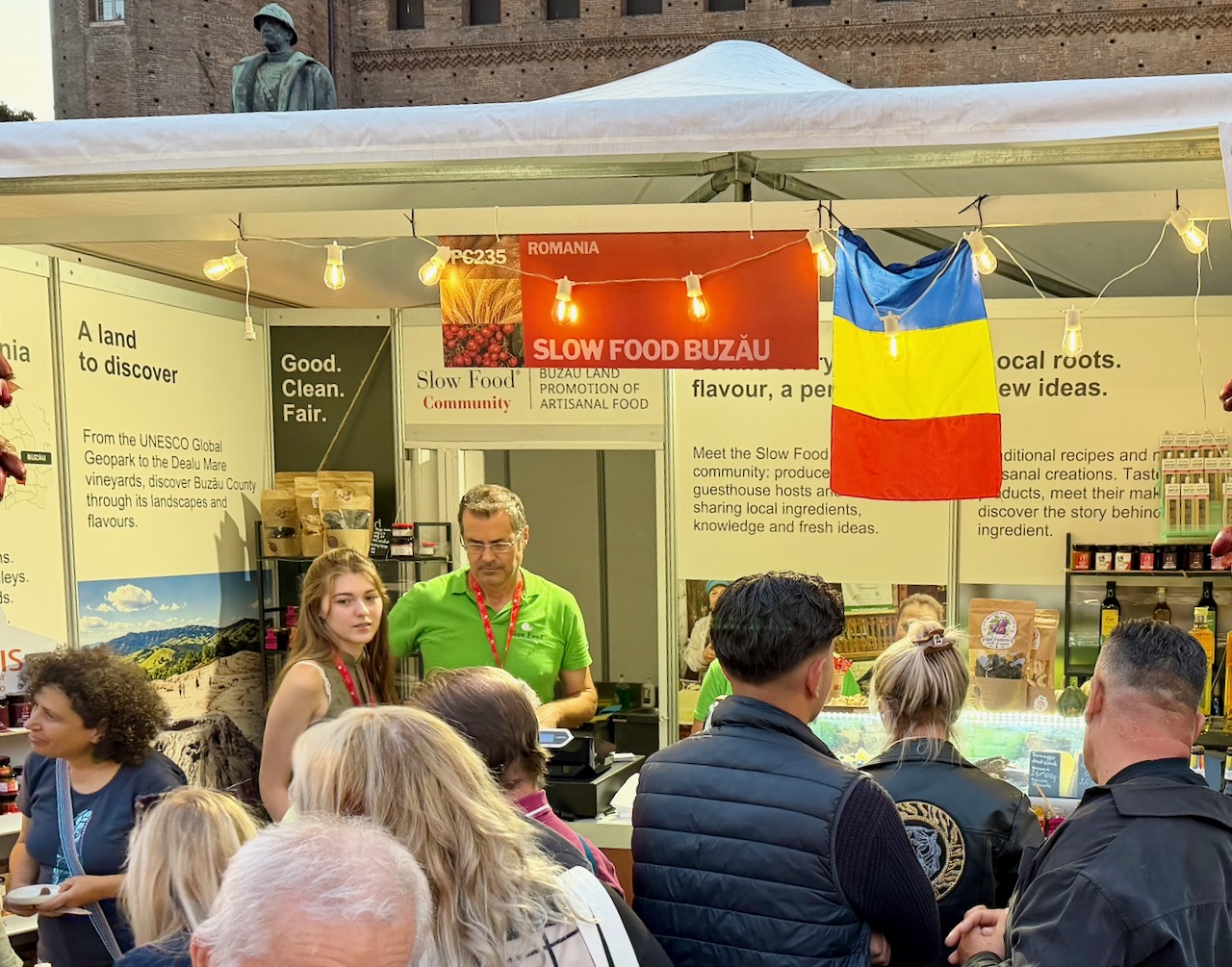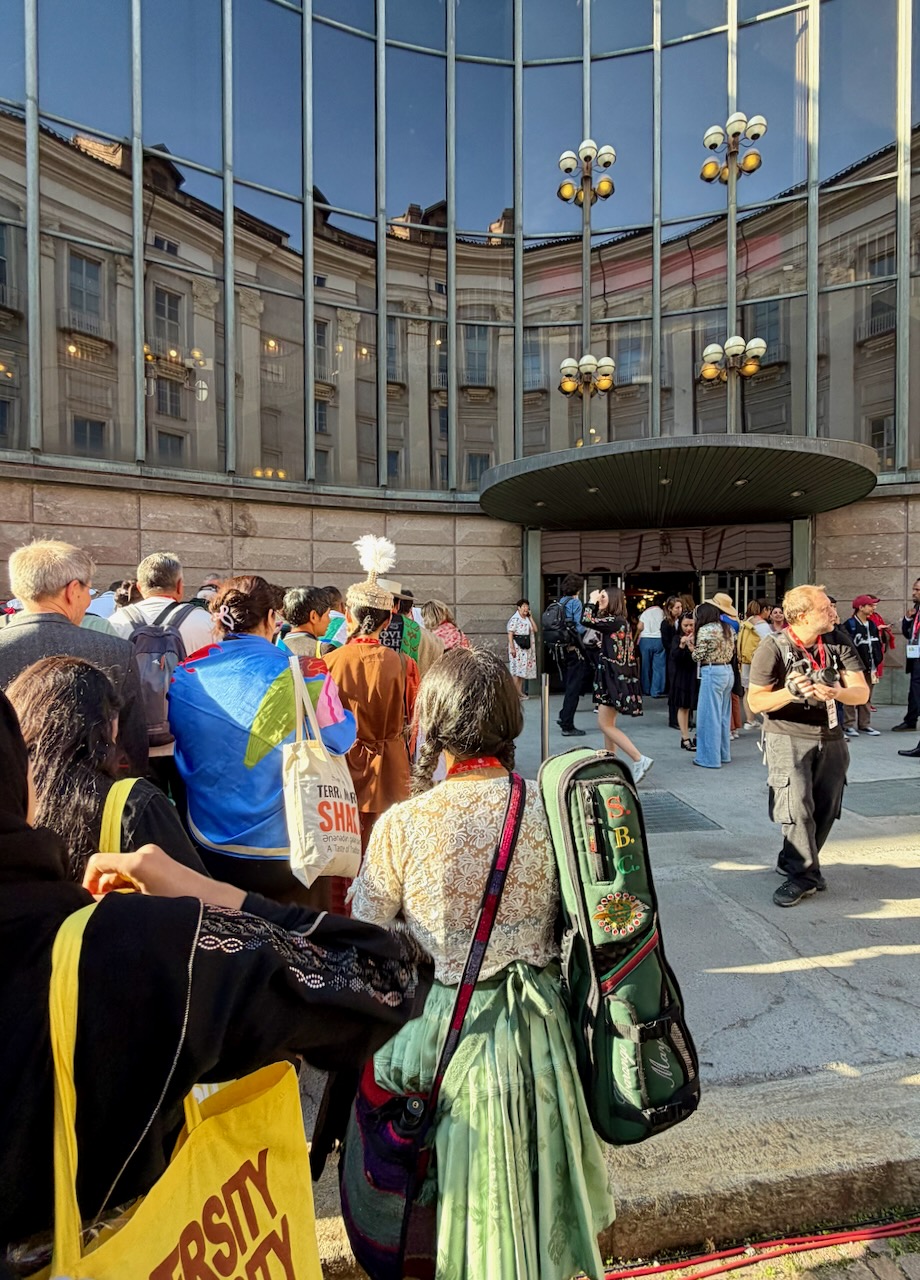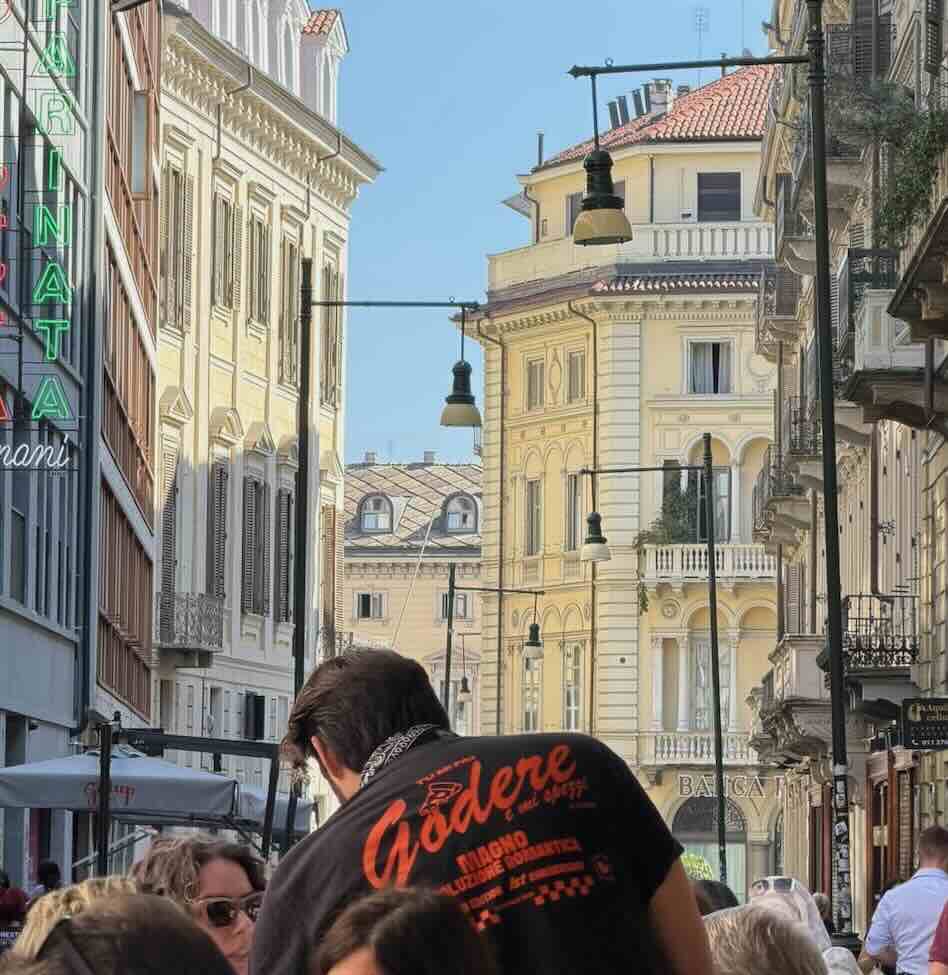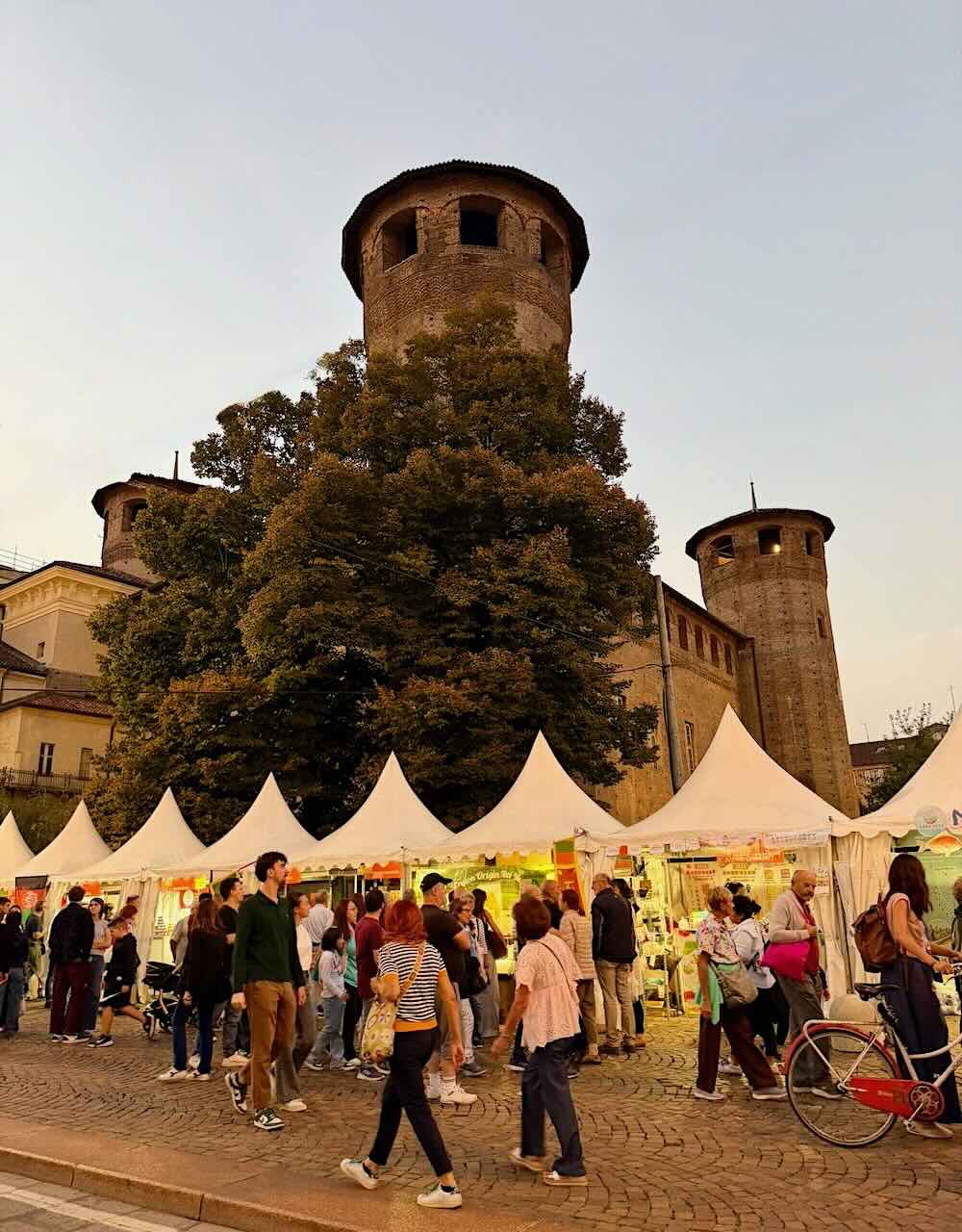
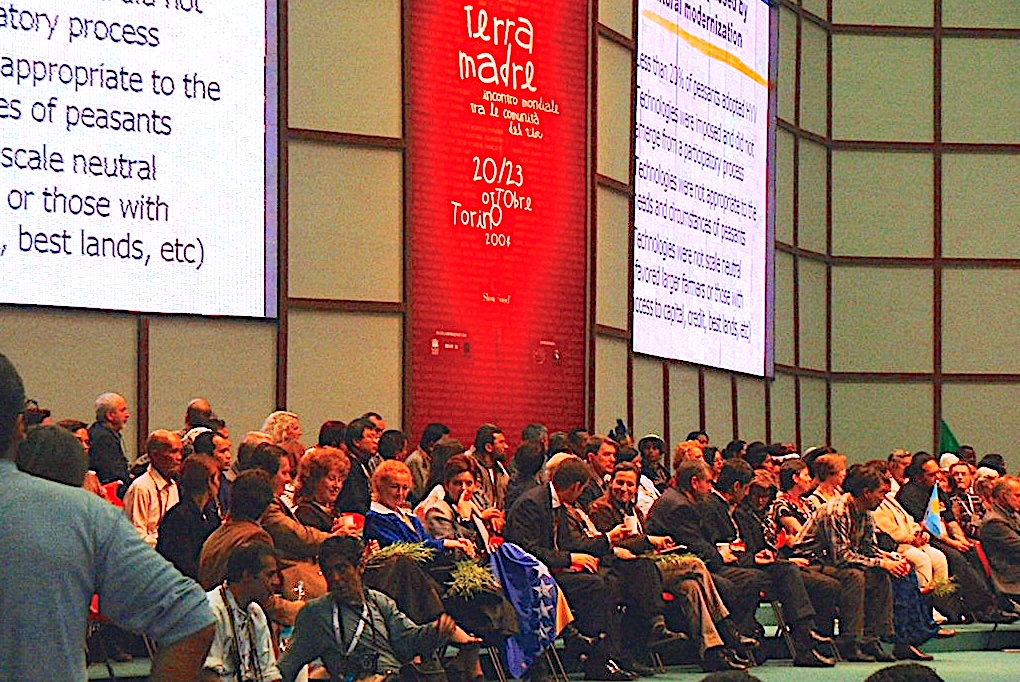
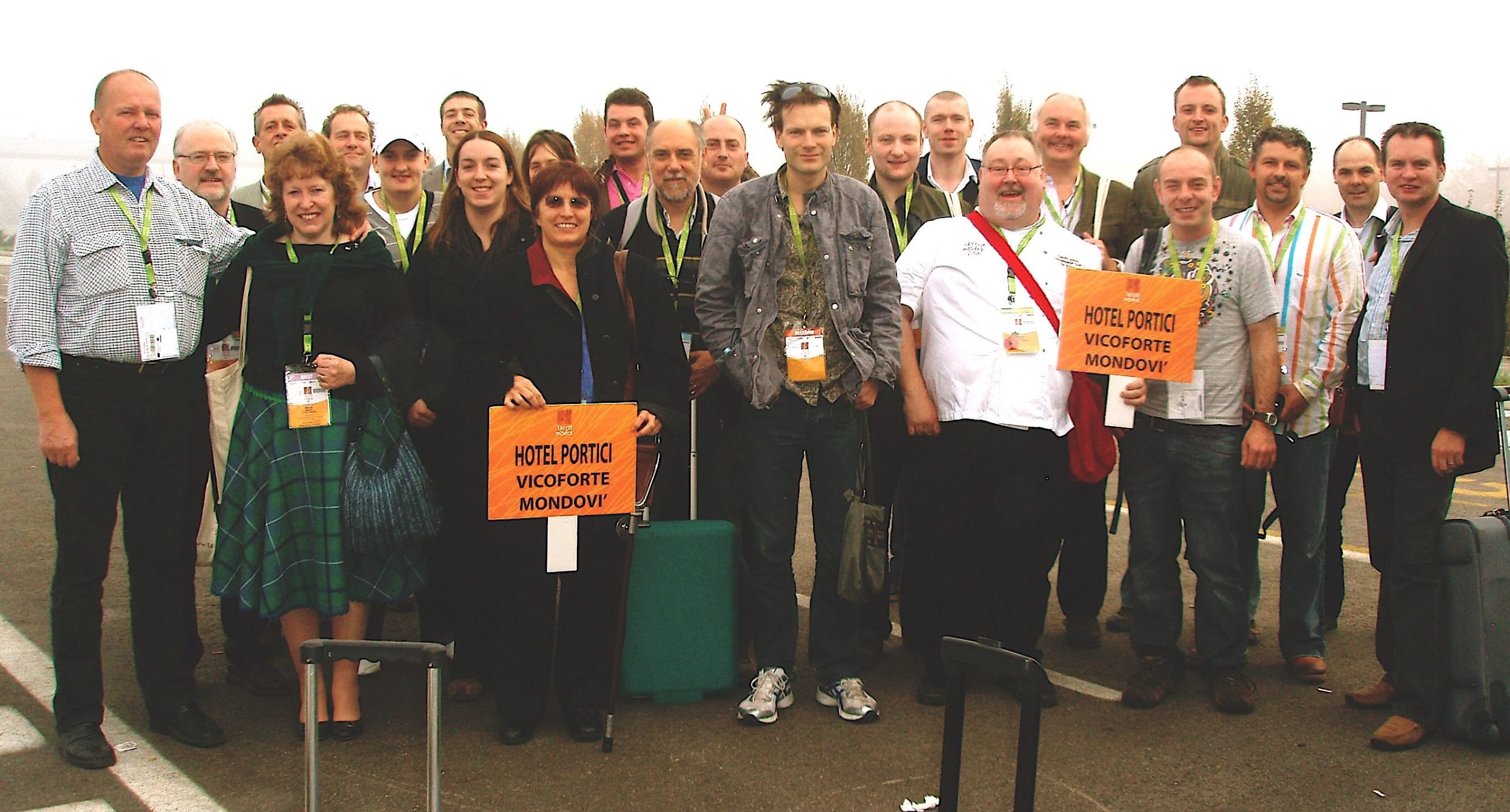
Slow Food Terra Madre holds a special place in my heart. I had been a Slow Food member for several years when I recall sitting round a table in my Dean Village flat, being invited as a Scottish delegate for the inaugural Terra Madre in 2004. There were five thousand delegates from across the globe, all in one place; eating together; exchanging views and produce from home; sharing challenges and celebrating positives. Everyone committed to good, clean fair food: out with chemically enhanced monocultures and industrial factories for rearing animals, and in with smaller-scale food production, extensively reared high welfare animals, minimal inputs and the avoidance of ultra-processed foods.
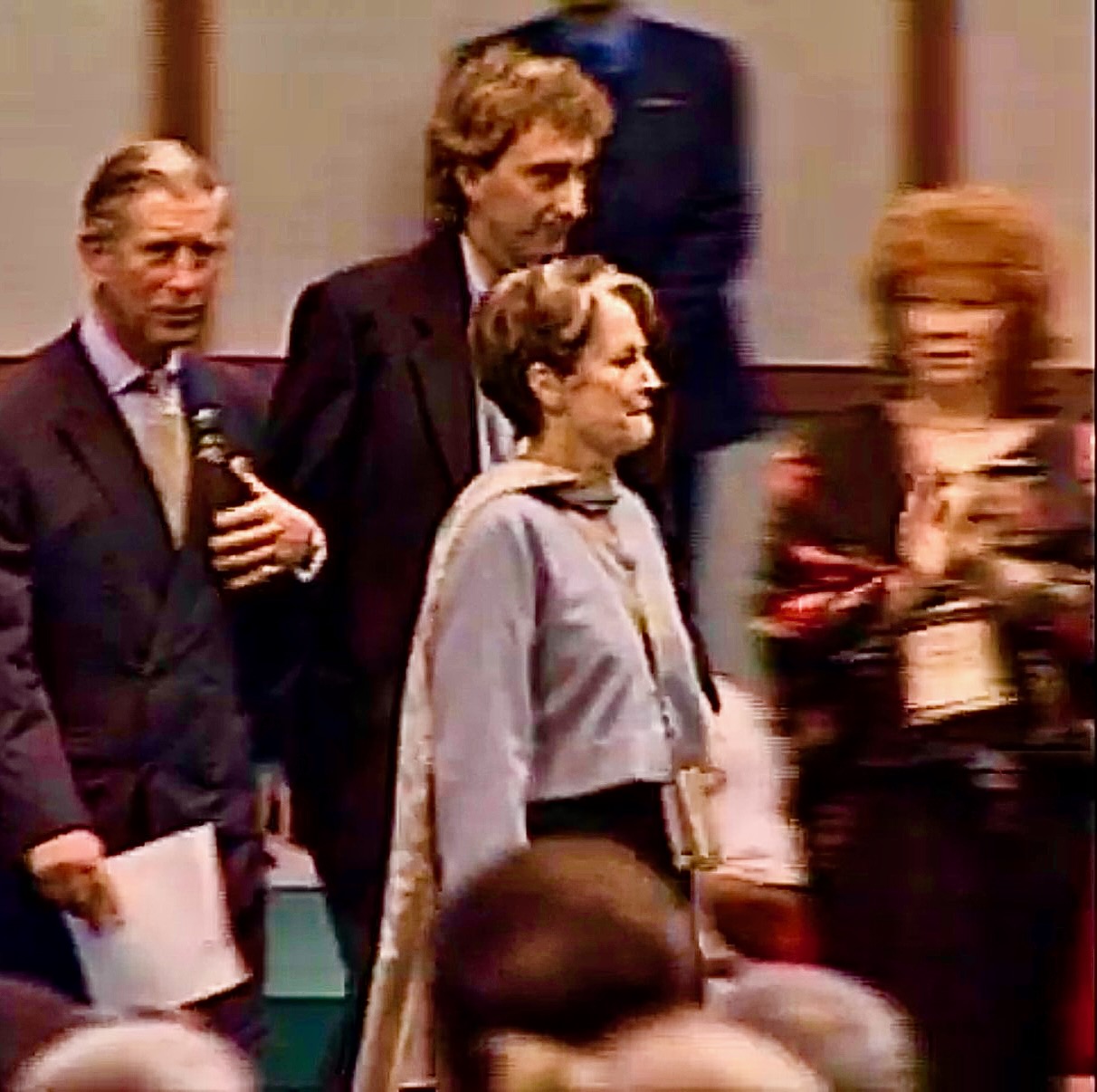
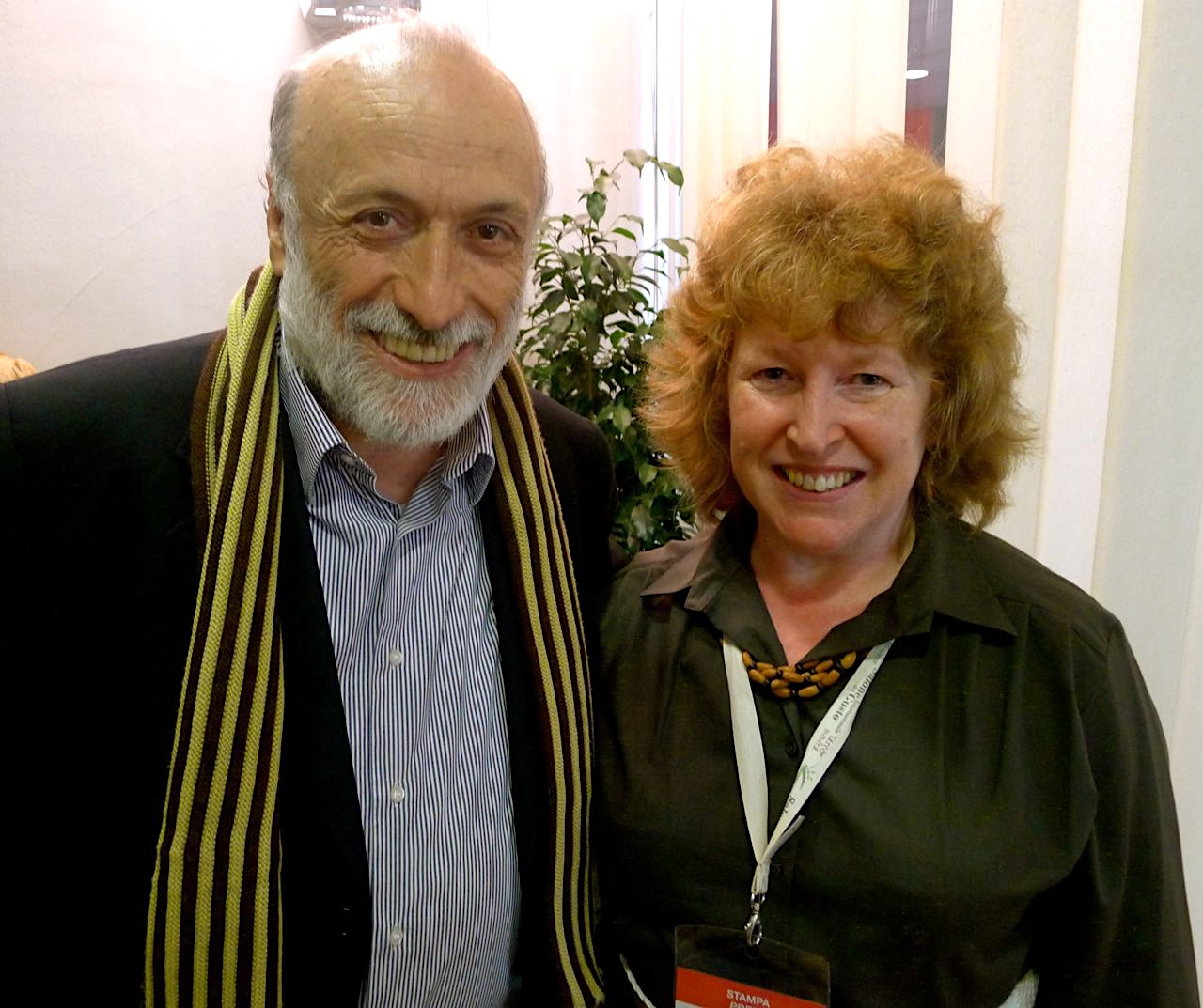
Delegates were hosted across Piemonte in cottages and dormitories, ski lodges (in September, out-of-season) and monasteries, then bussed in daily until late evening. Non-stop immersion and life changing. HRH King Charles III opened that first event, supporting its very core values, and each country’s representative was given a sprig of mimosa as they joined him on stage. I kept that mimosa for years. Thereafter, we met Founder Carlo Petrini on several occasions.
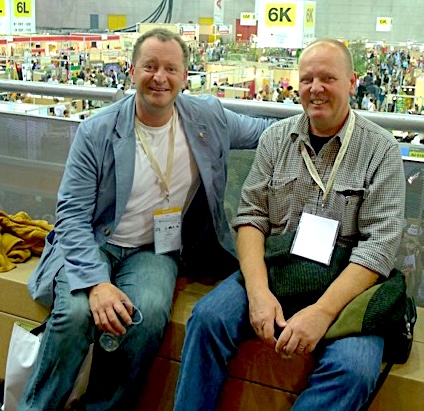
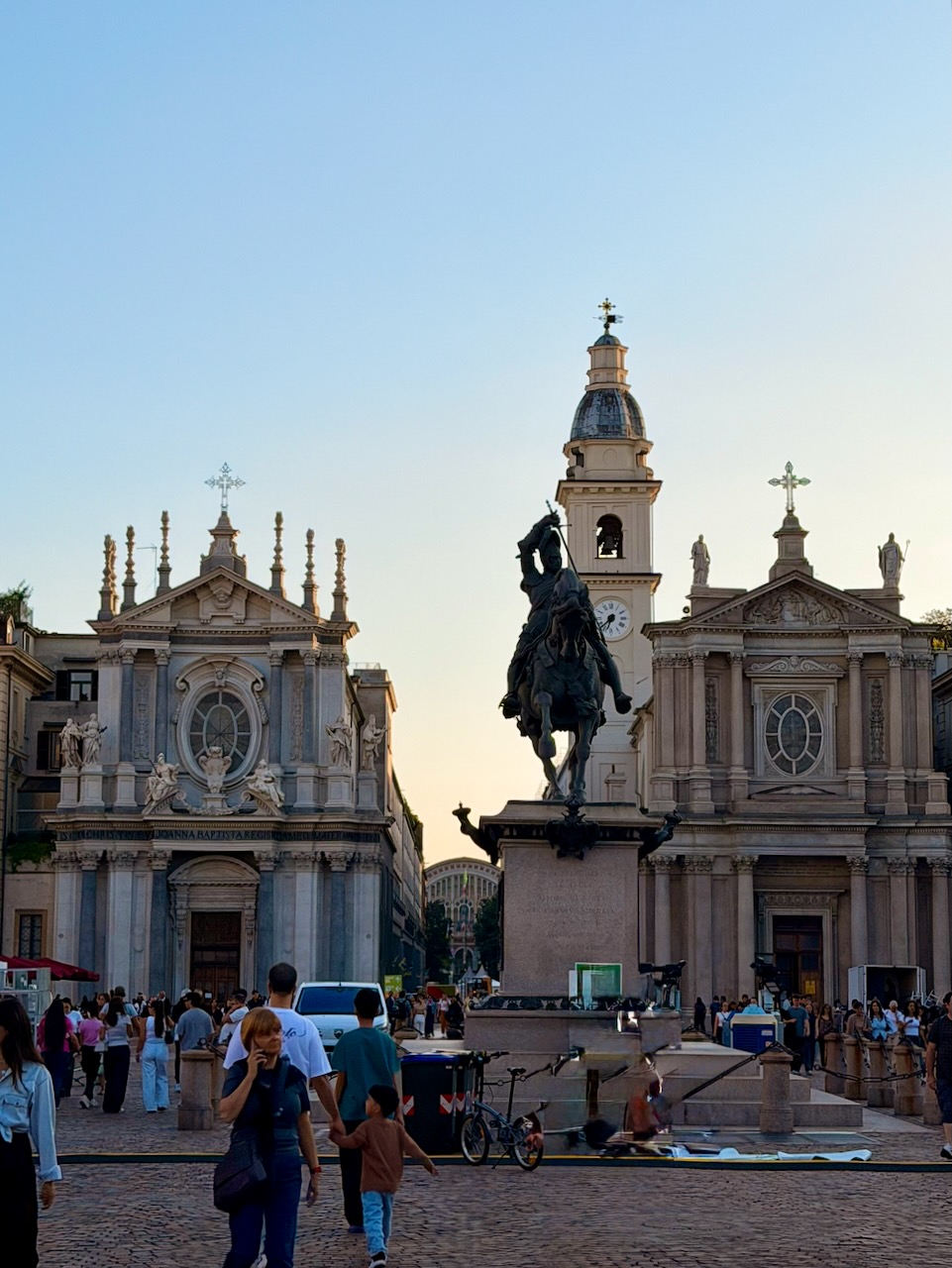
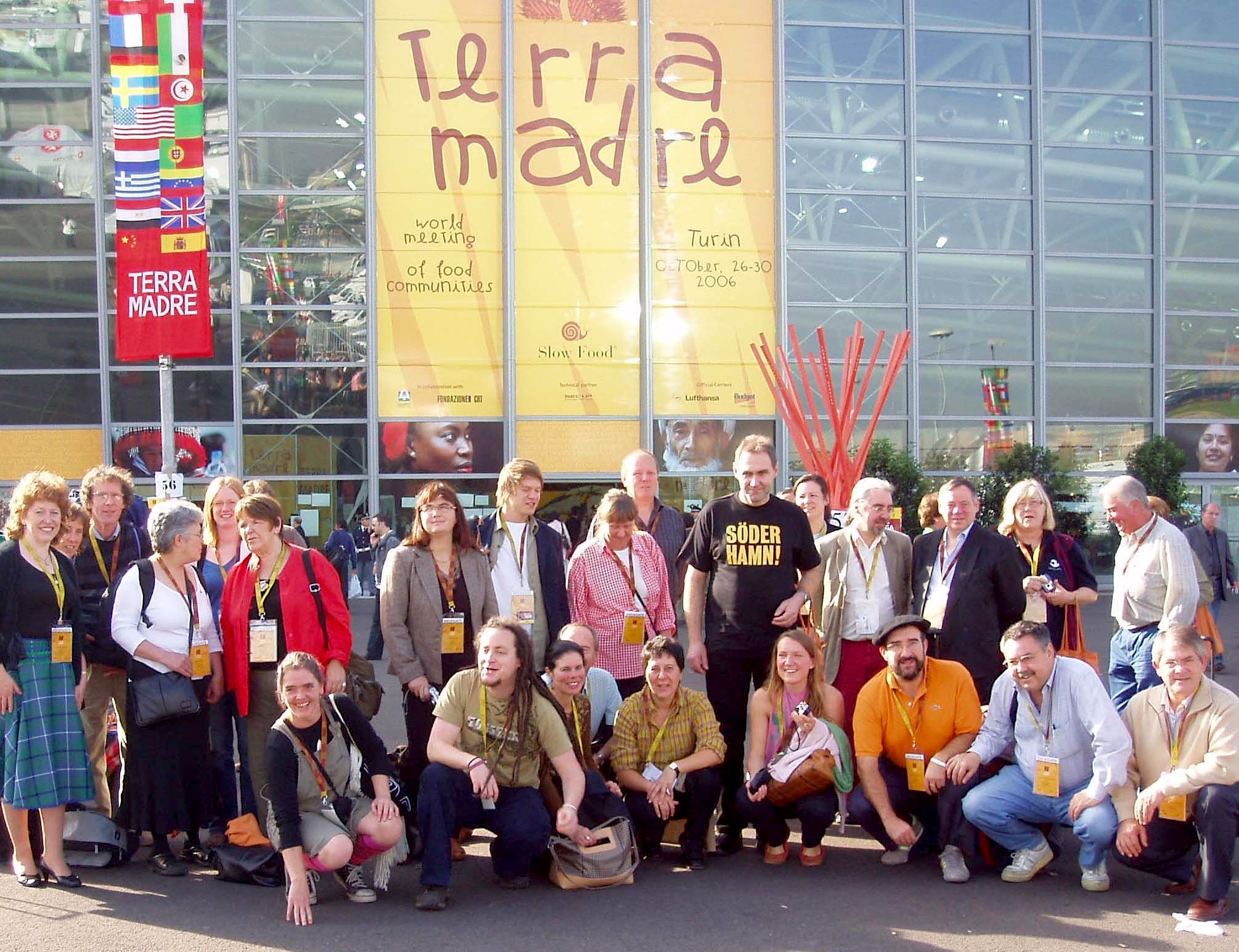
Much has happened over the intervening twenty-two years. The movement has grown, as has the event, now a vast street festival in the heart of Turin under the warm autumn sun; regenerative has joined organic and sustainable as buzz words; tens of thousands, local and world-wide, can attend hundreds of seminars, workshops, dining experiences and debates, returning home enriched and inspired. TM2 was held in 2006 and a group of us Scots including Uradale’s Ronnie Eunson and the late Pam Rodway were billeted in Torre Pellice, far west of Turin. It is a very beautiful place and, when we returned each evening after a long day, we could hear the tinkle of bells on the lower alpine slopes as the cows descended for hand-milking, out on the pasture. That year, a few of us also visited school kitchens in Montcalieri to see how Slow Food school gardens became school lunches – I wish we had travelled farther down this road by now in Scotland. That was also the year I met the Swedish farmer, who would become my husband by the Terra Madre 2008.
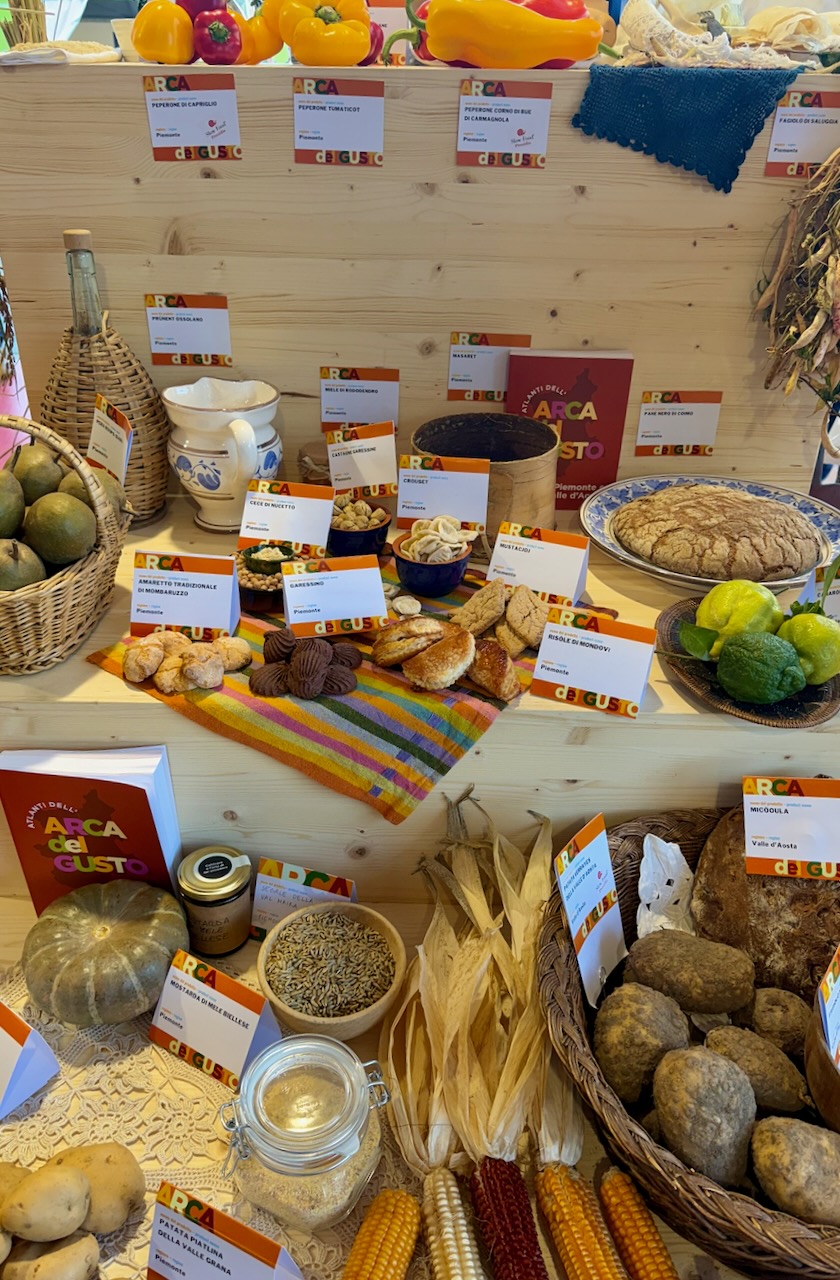
Years have passed with too many people to mention, some of whom are reading this newsletter, so I have gathered some memories at the end of this newsletter as 2026 is a very special year in so many ways. Tragically, Carlo Petrini didn’t see Terra Madre 2026, having passed away this spring, however I am sure he is proud of those to whom he passed the baton. The resolve is still there: food must be produced in a way that is good for the environment and of high quality, with a fair price for the producer and a respect for growers, herders, hunters and gatherers.
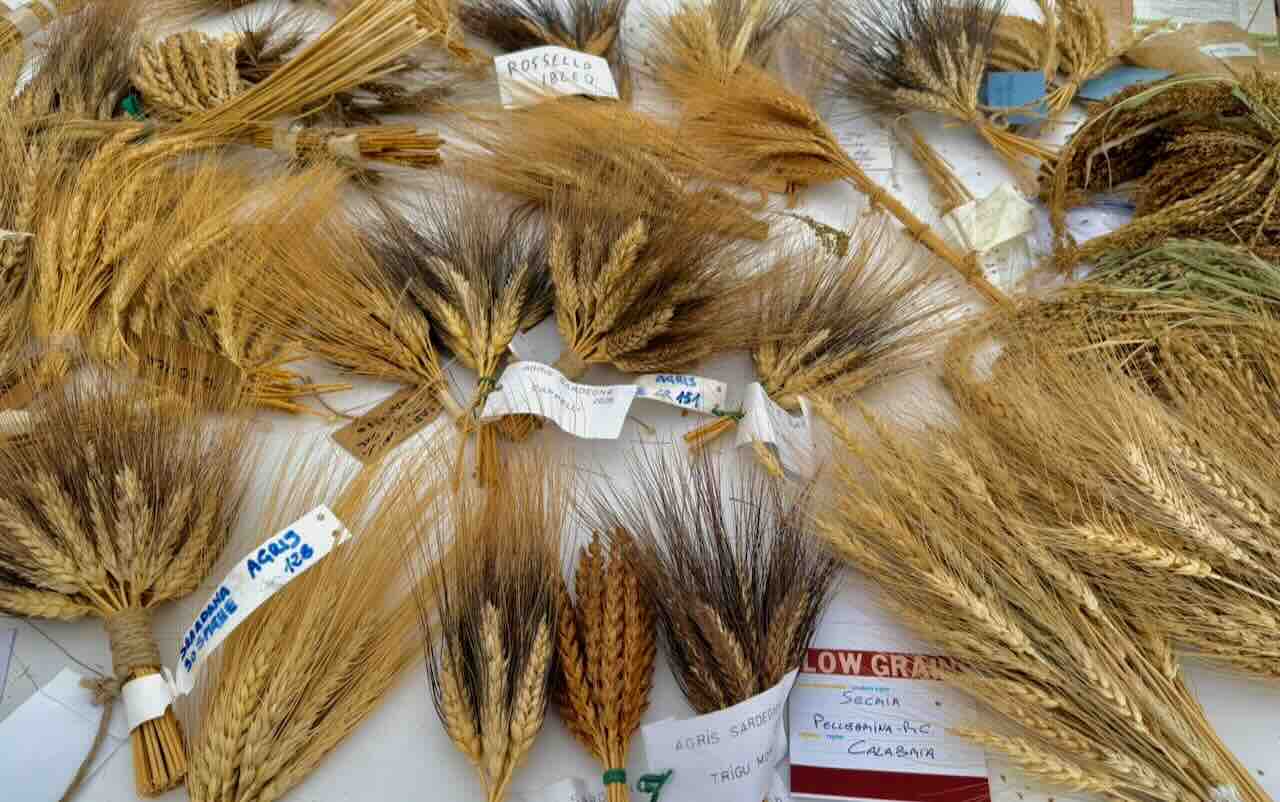
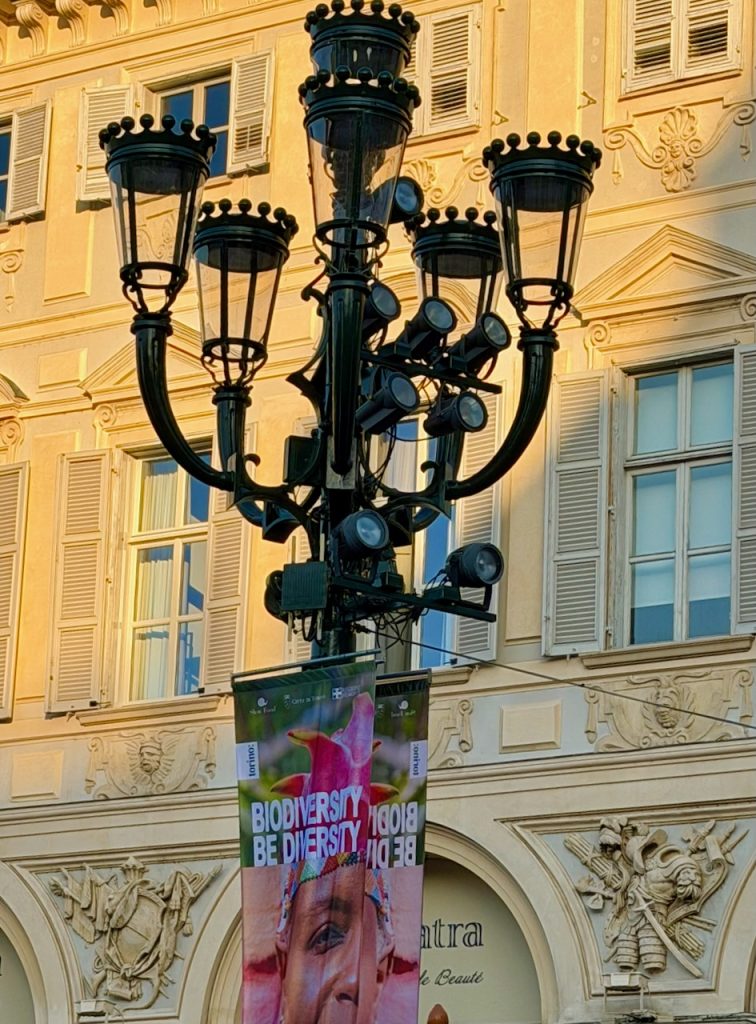
Respect for indigenous food culture is paramount as is biodiversity and kindness to Mother Earth. Indeed the theme for this year’s event was biodiversity, “Biodiversity, Be Diversity,” a subject very close to our hearts as Bosse and I strive to support the biodiversity of heritage grains and animals; seed saving fruit and vegetables, and celebrating the chefs, producers, emporiums and family farms who bring us high quality produce, who skilfully cook it – such integrity and provenance is to be respected.
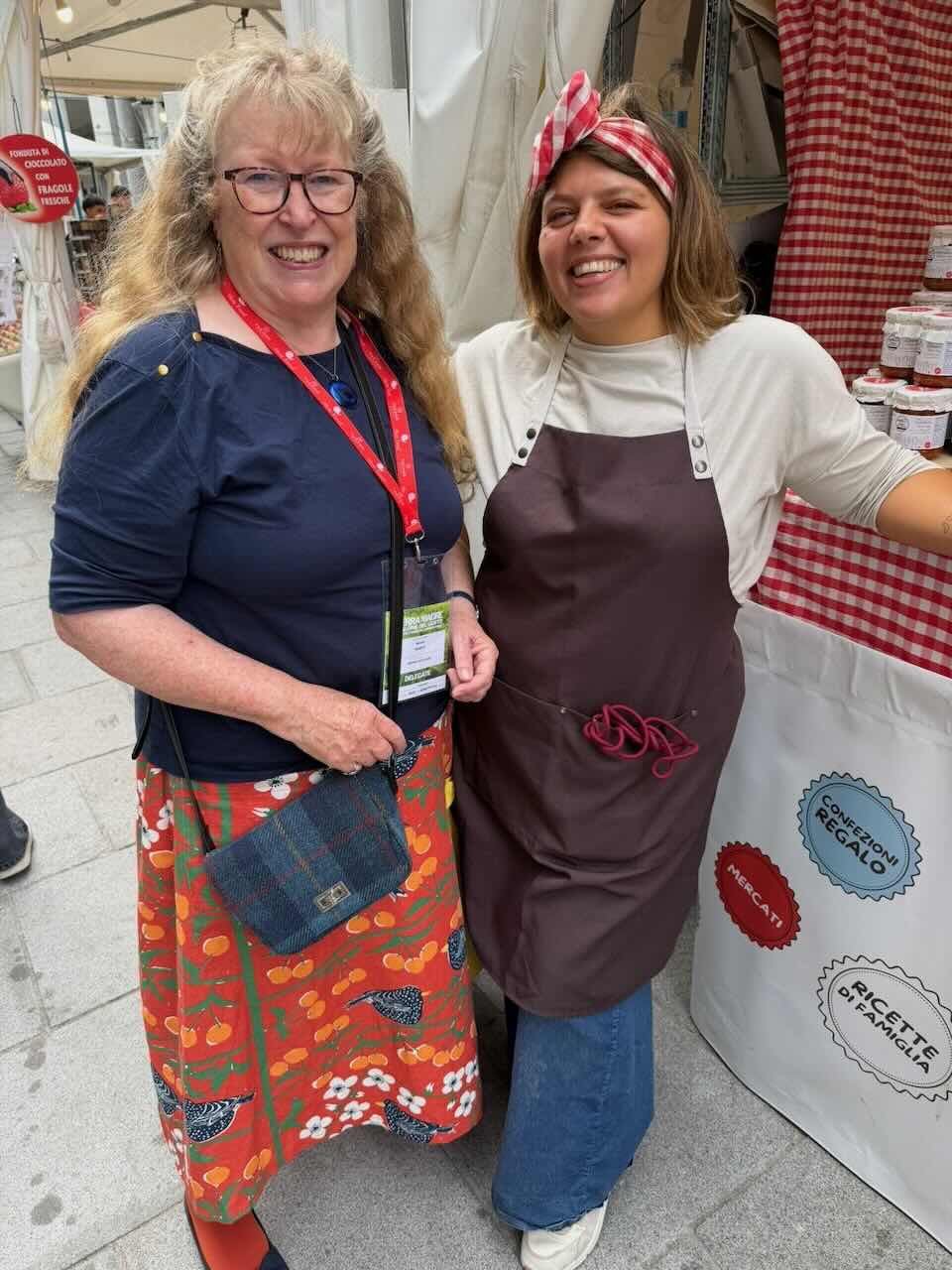
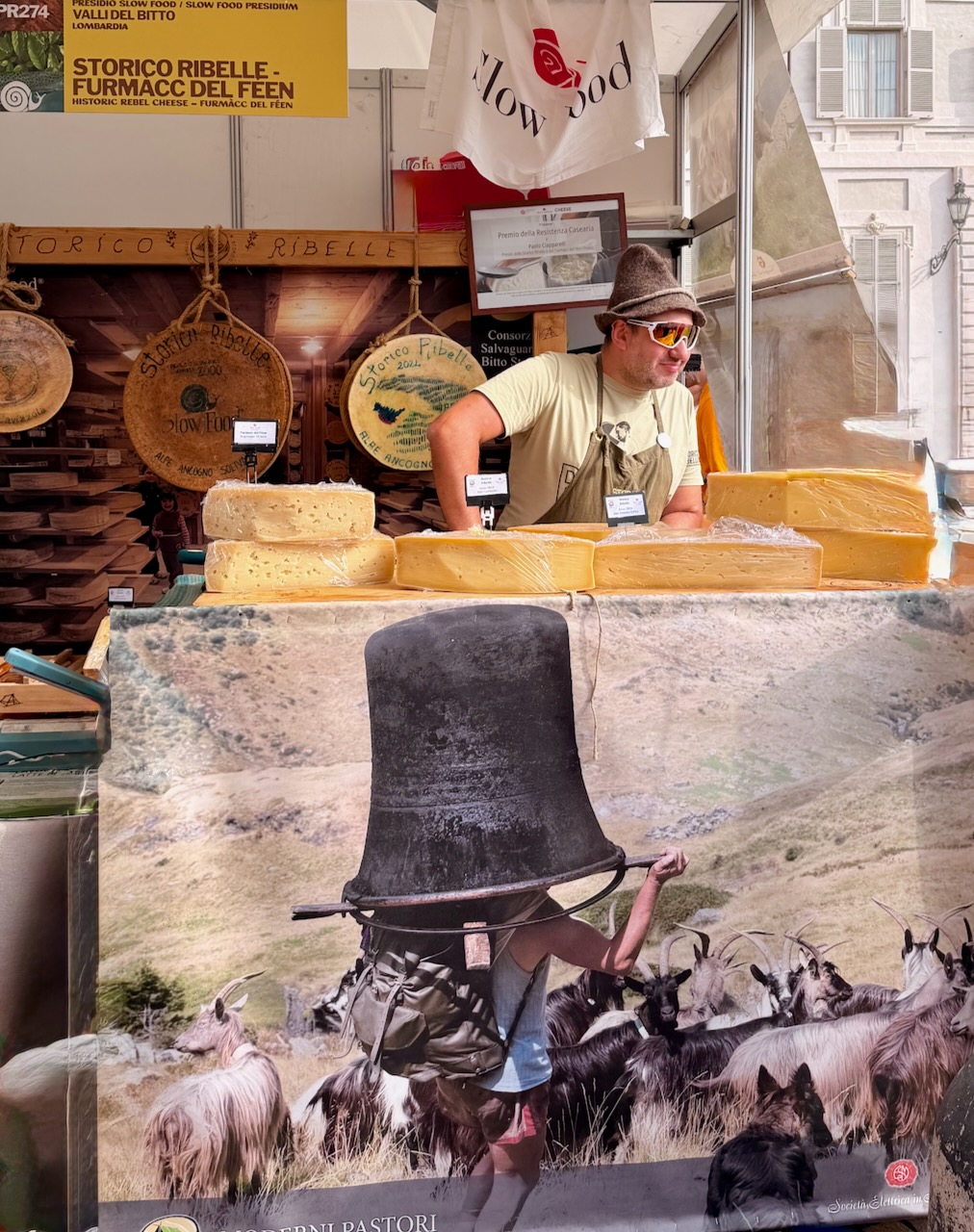
I accepted the honour of bearing the flag representing UK on stage for 2026, recalling 2004 with great emotion. We reunited with many dedicated growers, farmers, cooks, veterinarians, the herders of Sapmi and friends from across America; making new friends among Croatian, Tuscan and Romanian producers, and revisiting Heritage Bitto cheesemakers.
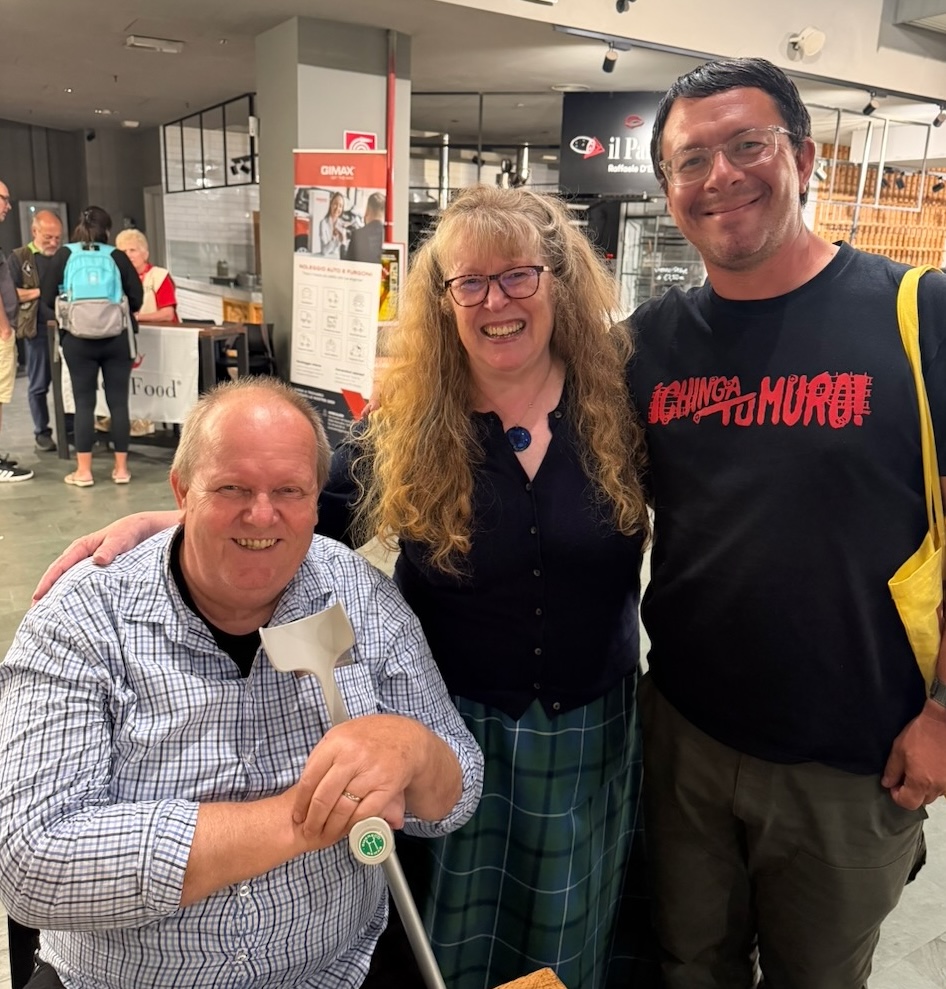
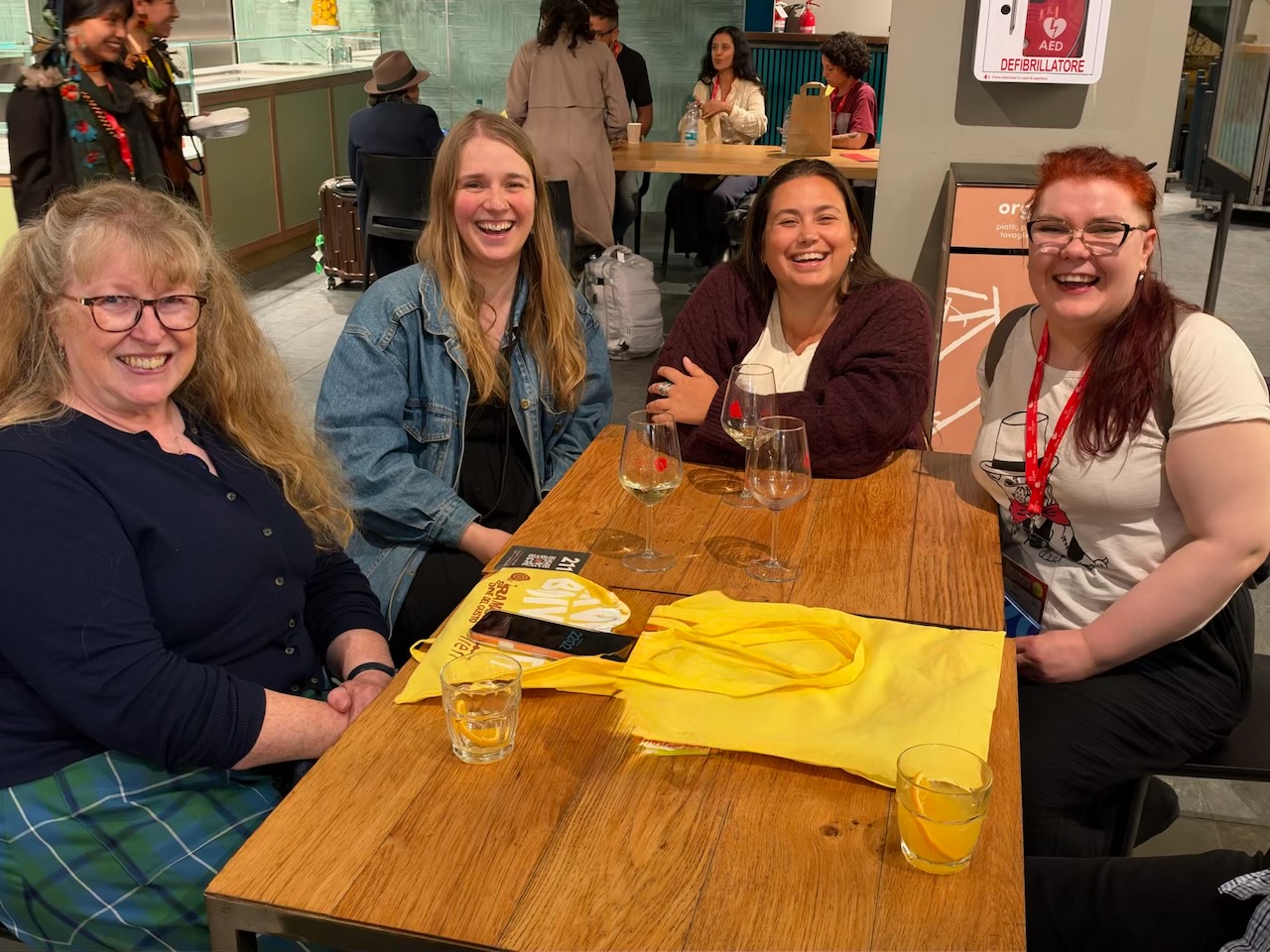
We met up with friends and colleagues from IGCAT, and watched the Food Film winners in Turin’s beautiful Baroque cinema. We put the world to rights over cooling drinks on a balmy evening with the inspiring young Shetland contingent and our friend from Slow Food Arizona.
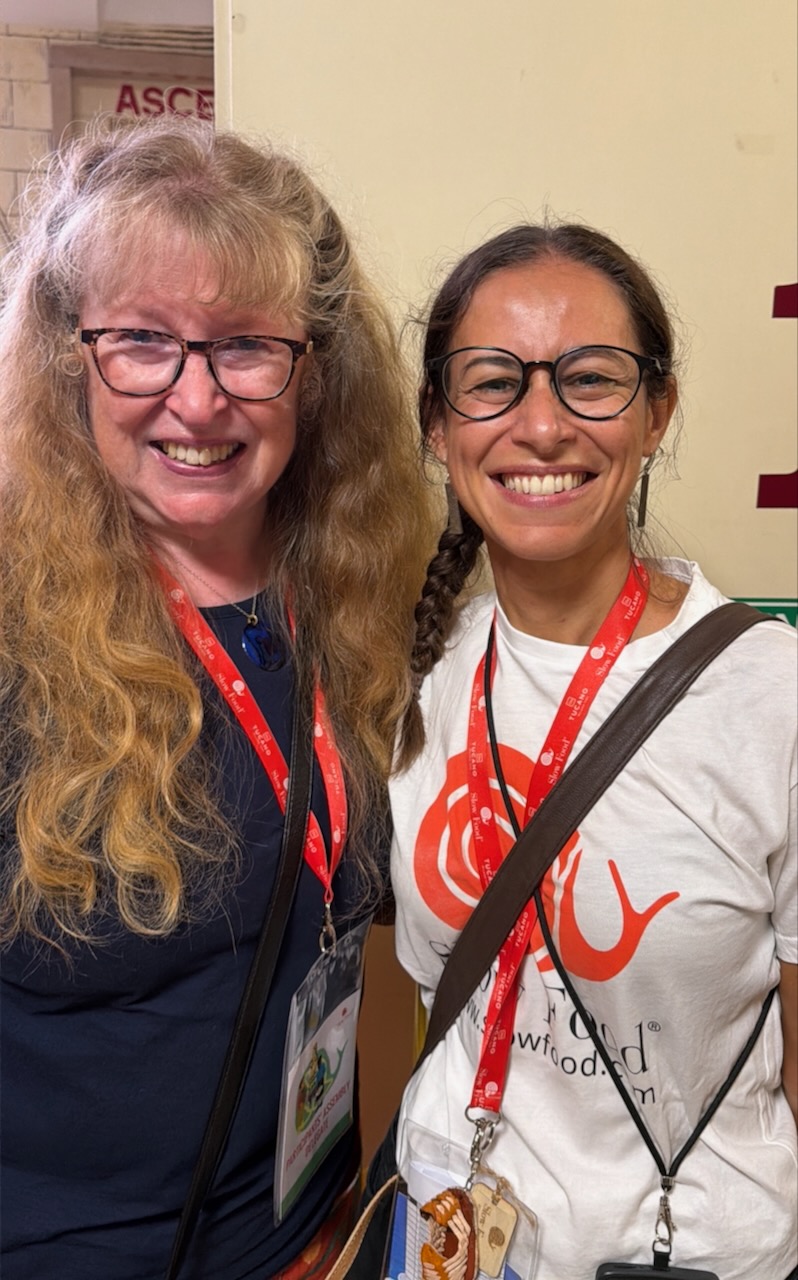
If this newsletter sounds rather personal then so be it, for each individual has their very own experience of Terra Madre and what they do with that is over to them. We listen; we learn. Every day we make food choices. Making no choice is a choice. Remaining silent is a decision. Mindful food choices can set the standard for our future generation’s health and the welfare of the world they will inhabit. We are each but one but together we can make a difference.
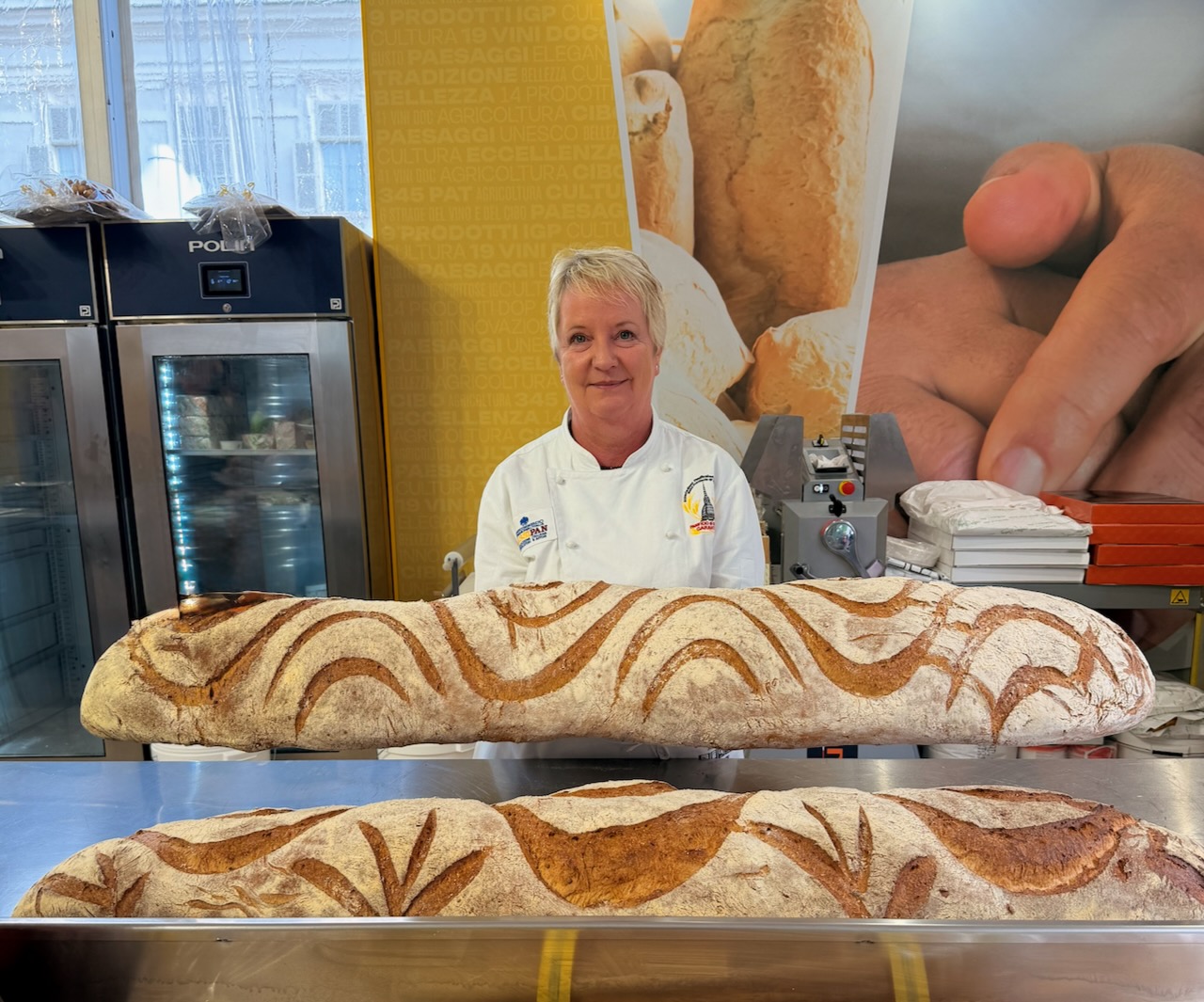 There is no place in Slow Food for industrially processed food; multinational aquaculture of migratory fish or GM crops, and that all sits well with me. Scottish Food Guide’s Charter reflects the Standards that matter to me, that Scotland should be showcasing, and follows Slow Food principles in a way no other guide does in Scotland. If you wish to know more about the breeds and varietals from which Scotland’s food culture stems, look no further than our book, Meadows: The Swedish Farmer & The Scottish Cook” where you will find all Scotland’s Ark of Taste heritage foods, some of which you are sure to spot as you explore Scotland, using Scottish Food Guide as your virtual handbook en route.