I am publishing this newsletter out of my concern for a Scottish application for UNESCO Intangible Cultural Heritage and to set the record straight having been misquoted, to ensure my disapproval is recorded accurately.
I wonder what comes to mind when you think of Scottish food culture? A certain drink made frae girders (if you’re reading this abroad, google it) and a plate of farmed fish? I hope not! Our forefathers would be turning in their graves for they ate healthy nourishing food, albeit simple, with fish and fowl aplenty, wholegrains and beef, dairy, berries and vegetables. They followed the seasons and we wouldn’t be here today had they not looked after themselves.
Worldwide initiatives such as the UNESCO Intangible Cultural Heritage and Slow Food Movement are internationally recognised and in Scotland, we already have a significant number of products and communities on the Slow Food Ark of Taste and Slow Food Presidia. As leader for the Ark of Taste in Scotland (a pro bono post) I confess to slight ‘gatekeeper’ tendencies and spend hundreds of hours investigating produce in depth. For admirable initiatives to be successful, they must be trustworthy and well researched, otherwise any project is only as good as its weakest link.
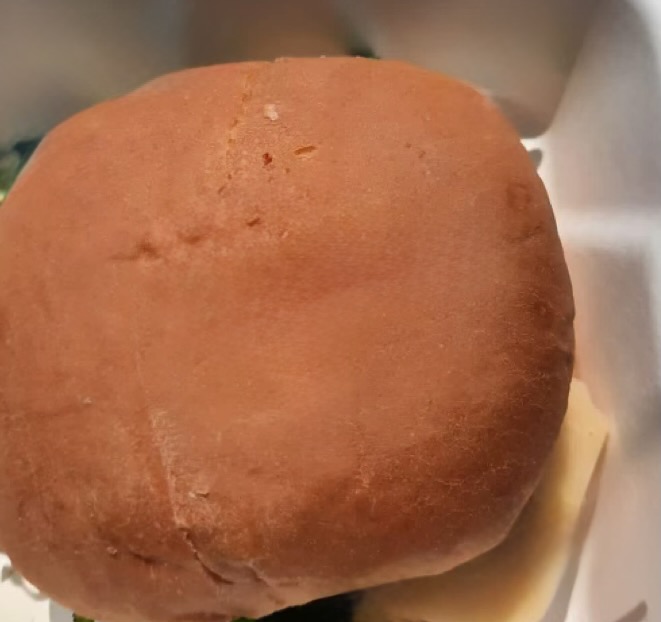
The UNESCO Intangible Cultural Heritage is one such marvellous strategy, laying down markers for living and practised traditions specific to a country. It need not be food related – it could be a craft – but whatever Scotland’s submissions may be, surely they should be of a quality we can be proud of… which brings me to the topic of the Scottish morning roll.
I am quite conversant with this UNESCO initiative, having experienced it through my IGCAT European Region of Gastronomy judging: the Marenda of Dalmatia, the Mediterranean diet, and various specific and high quality crafted traditional food culture and produce from across Europe… then Scotland submits an application aspiring to be known for its morning roll: no reference to quality or provenance and a sad reflection of our food culture? Many Europeans I speak to in the course of my work still say, “Terrific golf, fishing, hiking, nature, touring, history and/or whisky … shame about the food.” Sad but true and this won’t help. We have so much finer fare to offer however it is not always in plain sight. Our world-class Scottish produce can end up a well-kept secret amid the marketing din of mass-produced ubiquitous food.
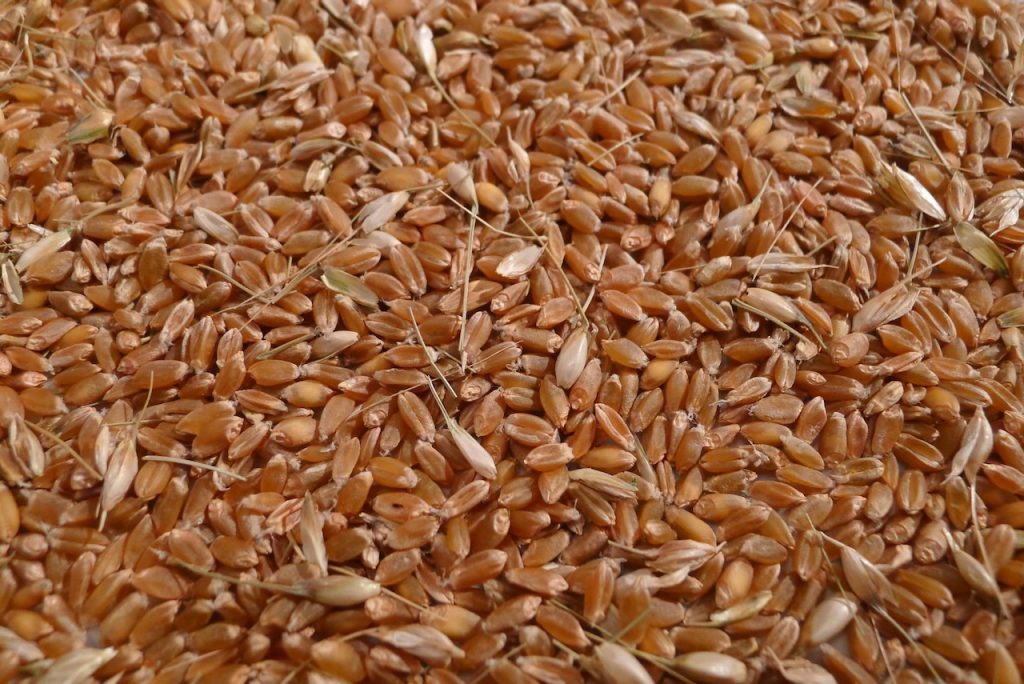
In the UNESCO application, as far as I can tell according to interviews in the press, as at no time was I involved in any community consultation nor do I know anyone who was, “Morning rolls have sustained Scotland’s people for half a millennium.” Wheaten morning rolls did not become a common and accessible commodity until the late 19thC. Urban bakers used imported wheat to make specialty “baps” for the wealthy as early as the 17thC when everyday Scots historically still relied on oats, rye and barley. If you want evidence, check out the pollen in bogs for an accurate debate on what grains Scots had access to. In WW1 they needed to import wheat from USA as they didn’t have sufficient wheat then or now.
It was industrialization, mechanized baking, and improved transport in the 1800s that finally made these wheat-based morning rolls widespread – a quick fix for poverty-stricken workers where heavy industry demanded cheap filling food. It was never high quality nor particularly nutritious, and normally was, and is, bereft of any wholegrain.
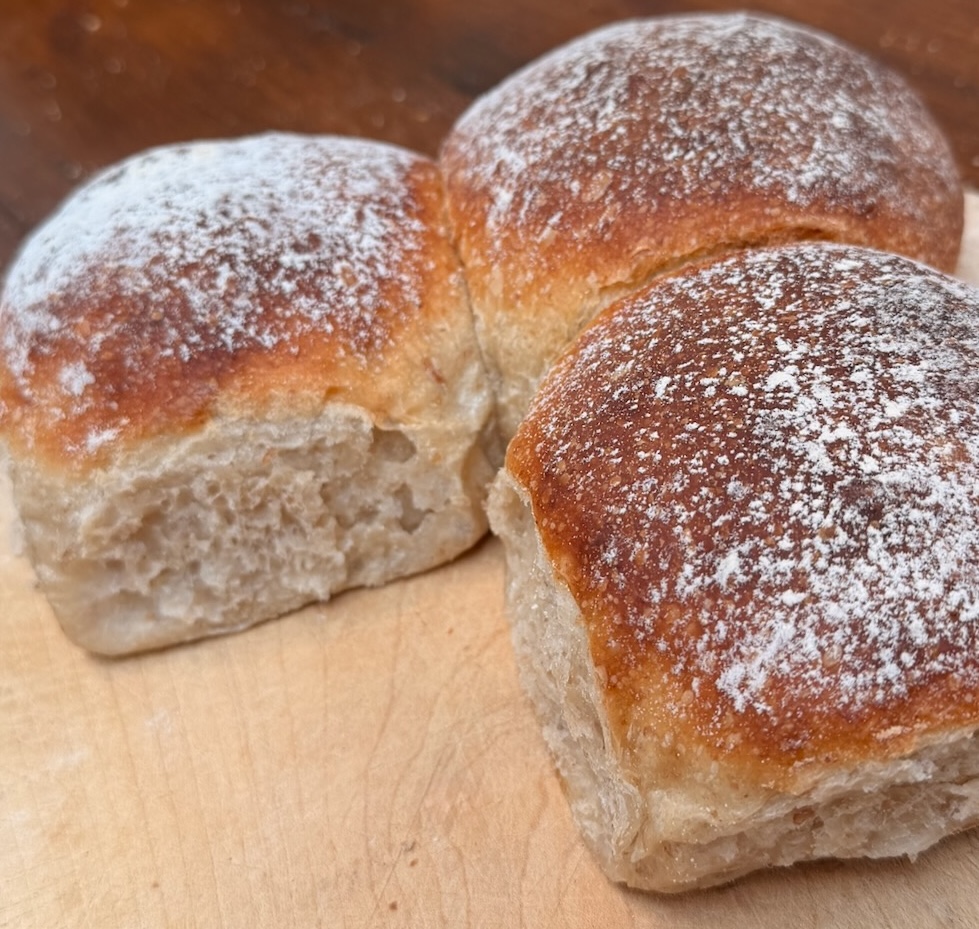
Granted there are superior versions and, as someone who co-created the Scottish Bread Championship, I know of them however I have seen no mention of quality and the mass-produced rolls that are being ‘celebrated’ are at best refined carbs, with the majority filled with imported bacon. The quality of the grain and traditional baking skills should matter.
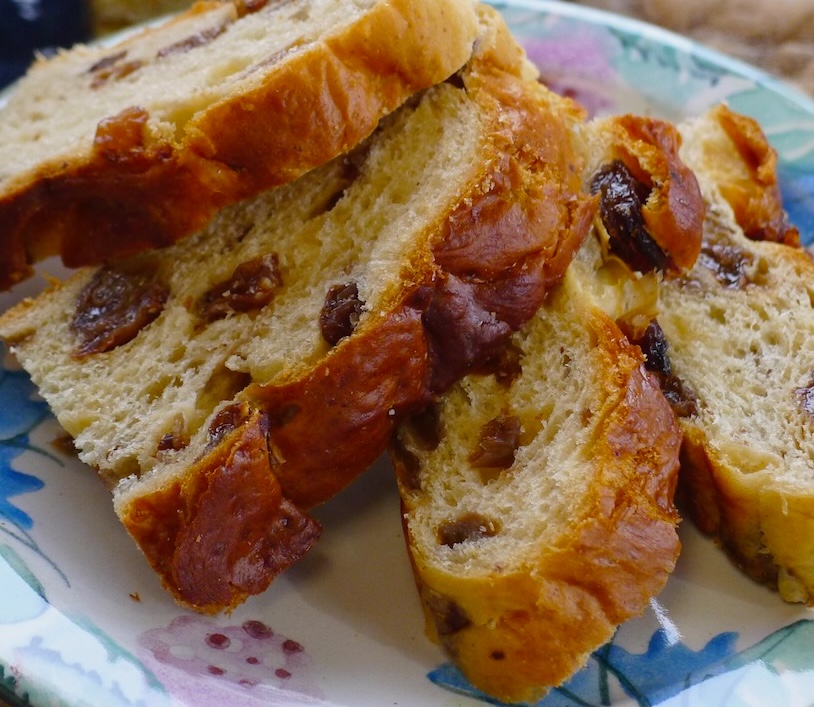
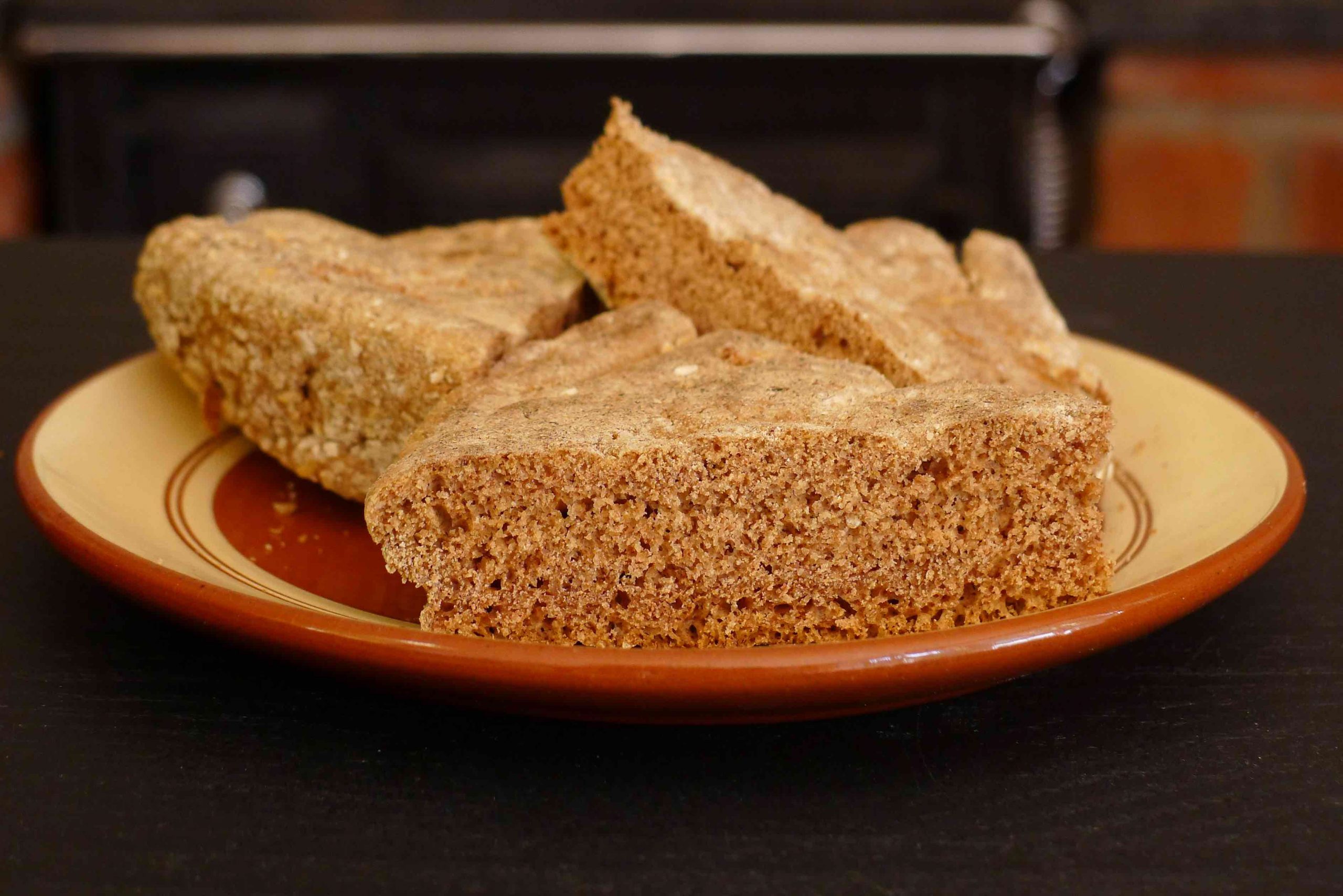
If seeking a UNESCO Intangible Heritage bread related story, why not go for the best Selkirk Bannock, free from additives and palm oil naturally, or the unique Orkney Beremeal, grown and milled exclusively on Orkney, processed in Scotland’s only commercial water mill, milled for traditional bere bannocks? Scotland needs to move on from the deep-fried chocolate bar and white pappy bread image when we have so much more to offer if we wish to be a world class food destination.
Interestingly, and a warning to all, I was approached by a journalist, prior to any knowledge of the morning roll press launch, and interviewed on ‘Scottish food culture,’ with no mention of said roll. The UNESCO article then appeared, and implied I was a staunch supporter with a random quote dropped in! I came across it by chance, thankfully, and contacted him. Ethically and legally, it is frankly not on. By mid-morning, AI had picked up on it, quoting the morning roll article, along with my ‘support,’ where readers could infer my approval. A salutary lesson on the power of AI and fake news. I promptly took AI to task!
 On a more positive food-note, here’s a great headline, “Leading Scottish chefs join Off The Table.”
“The Witchery and Prestonfield House in Edinburgh are the latest in a growing movement of Scottish food providers taking farmed salmon off their menus, joining The Palmerston, Contini Restaurants and L’Escargot Bleu.” There is also Café St Honore, Errichel, Edinbane Lodge, Jayson Byles, The Wee Restaurant, myself and many more you can see here
An increasing number of Scottish Food Guide members across the country are reducing their reliance on farmed salmon (likewise the similarly open-sea farmed Steelhead trout). The evidence is piling up; the campaign is strengthening and cannot be ignored. Bring back Scotland’s unpolluted waters and healthy wild salmon. If you wish to join the growing number of restaurants and chefs supporting the Off The Table campaign, click on this link. It is free of charge and I am on no commission – it just makes sense to me.